
Heat Exhaustion or Heat Stroke? Know the Difference Before It’s Too Late
Heat exhaustion can progress to heat stroke without prompt action. Learn the warning signs and when immediate medical care may be necessary.
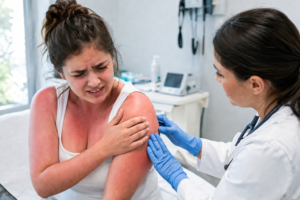
More Than Just Red Skin: When a Sunburn Needs Medical Treatment
Learn when a sunburn goes beyond typical redness and when severe symptoms may require medical treatment.

STD Testing for College Students: What to Know Before Going Back to School
Before heading back to campus, college students can make STD testing part of their routine healthcare and sexual health planning.

COVID-19 Symptoms in 2026: When to Test and When to Seek Care
COVID-19 symptoms can look similar to other respiratory illnesses, making it difficult to know what you’re dealing with. Learn when to test, what to do if your test is positive, and which symptoms mean it’s time to seek medical care at UNI Urgent Care.

Tick Bite Season Is Here: When Should You Visit UNI Urgent Care?
Tick bites are common during warmer months, but knowing when to seek medical care is essential. Learn how to identify concerning symptoms, understand your risk for tick-borne diseases, and find out when visiting UNI Urgent Care is the right choice.

Hantavirus Explained: Symptoms, Risks, and When to Seek Medical Care
Hantavirus is a rare but potentially serious viral infection that can begin with symptoms similar to the flu before progressing rapidly. Learn how to recognize the warning signs, understand your risk, and know when to seek prompt medical care at UNI Urgent Care.