
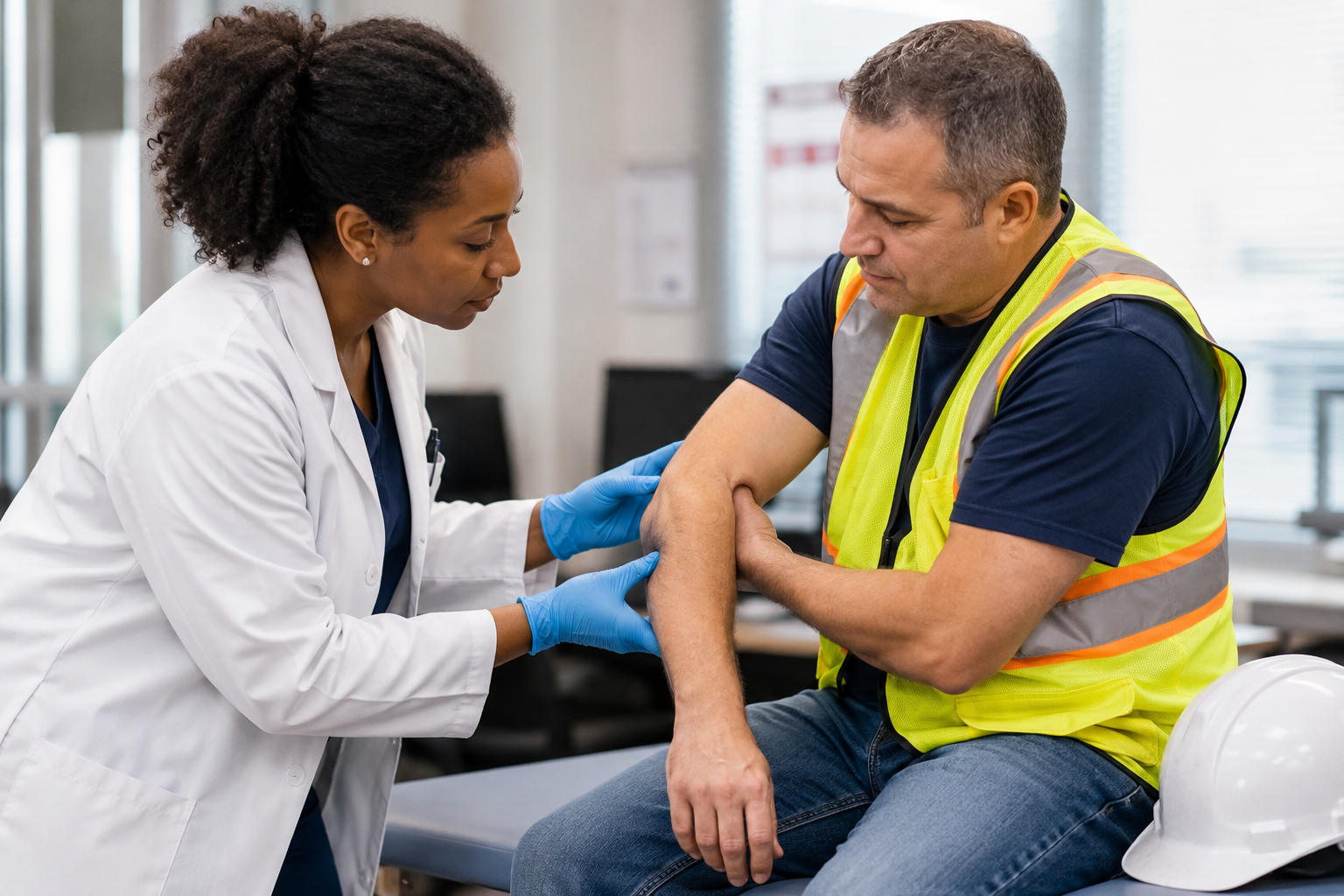
Every workplace has its own set of risks. Whether someone works in an office, warehouse, construction site, healthcare facility, retail store, or manufacturing plant, injuries can happen when they are least expected. While some incidents are minor, others can affect an employee’s ability to work, perform daily activities, and maintain their overall well-being. The speed at which medical care is received often makes a significant difference in recovery and workplace productivity.
At UNI Urgent Care, our Occupational Medicine services are designed to help employees receive prompt medical attention while supporting employers in managing workplace injuries efficiently. Our goal is to provide high-quality care that promotes recovery, minimizes downtime, and helps employees return to work safely whenever appropriate.
Fast workplace injury care is about more than treating an injury. It helps reduce complications, supports communication between employees and employers, and creates a smoother workers’ compensation process. When medical care is delayed, even relatively minor injuries may become more difficult to treat, resulting in longer recovery times and increased costs for everyone involved.
By providing timely evaluations, personalized treatment plans, and ongoing occupational health support, our team helps businesses maintain healthier workforces while ensuring injured employees receive the care they deserve.
Why Immediate Medical Attention Makes a Difference
One of the biggest mistakes following a workplace injury is assuming that the pain will simply go away with time. Although some minor aches improve naturally, many injuries become worse when they are ignored or left untreated.
Receiving prompt medical attention allows healthcare providers to identify the full extent of an injury before complications develop. Conditions such as muscle strains, ligament injuries, fractures, repetitive stress injuries, and back pain often respond better when treatment begins early. For more detailed information on treating strains and sprains, you can review the Mayo Clinic’s Guide on Sprains.
Our providers perform thorough evaluations that help determine the most appropriate course of treatment. Early diagnosis allows us to recommend proper activity modifications, prescribe appropriate treatment, and monitor healing throughout recovery.
Fast treatment also reduces uncertainty for both employees and employers by providing clear documentation of the injury and recommendations for returning to work safely.
Common Workplace Injuries We Frequently Evaluate
Every occupation presents unique physical demands, but certain injuries occur across nearly every industry.
Muscle and Joint Strains
Lifting heavy objects, repetitive movements, awkward body positioning, and sudden twisting motions frequently lead to muscle strains and joint injuries. These conditions often affect the back, shoulders, knees, wrists, and neck.
Early treatment helps reduce inflammation while preventing further damage caused by continued physical activity.
Slips, Trips, and Falls
Falls remain one of the leading causes of workplace injuries. Employees may suffer bruises, fractures, sprains, head injuries, or back injuries depending on the severity of the accident.
Prompt evaluation ensures hidden injuries are not overlooked, even if symptoms seem mild immediately after the incident.
Repetitive Motion Injuries
Employees who perform repetitive tasks may gradually develop conditions affecting tendons, muscles, and nerves.
Examples include:
-
Carpal tunnel syndrome
-
Tendonitis
-
Tennis elbow
-
Shoulder overuse injuries
-
Chronic neck pain
Identifying these conditions early often prevents them from progressing into long-term disabilities.
Cuts and Lacerations
Sharp equipment, machinery, tools, and workplace accidents can result in cuts that require immediate cleaning, wound care, stitches, or additional treatment to prevent infection.
Quick treatment supports proper healing while reducing complications.
Eye Injuries
Dust, chemicals, flying debris, and accidental splashes can damage the eyes within seconds. Immediate medical evaluation helps reduce the risk of permanent vision problems.
How Early Treatment Benefits Employees
When employees receive care quickly, recovery often becomes more predictable and less stressful.
Instead of wondering whether an injury will worsen, employees receive professional guidance about their condition, expected recovery timeline, and work restrictions if necessary.
Fast treatment can help:
-
Reduce pain sooner
-
Prevent worsening injuries
-
Improve healing
-
Lower the risk of chronic pain
-
Increase confidence during recovery
-
Support a safe return to normal activities
Many workplace injuries improve significantly when appropriate treatment begins during the early stages.
Supporting Employers Through Occupational Medicine
Occupational medicine involves much more than treating injuries after they happen.
Our services help employers maintain healthier workplaces while reducing unnecessary disruptions caused by workplace accidents.
When employees receive prompt medical care, employers often benefit from:
Reduced Lost Work Time
Delays in treatment frequently result in longer recovery periods.
By evaluating injuries promptly, we can recommend modified duties when appropriate, allowing many employees to remain productive while recovering safely.
Better Workers’ Compensation Management
Accurate medical documentation plays an important role throughout the workers’ compensation process.
Our providers carefully document injury details, physical findings, treatment recommendations, and work status updates, helping create clear communication between employees, employers, insurance carriers, and case managers.
Improved Workplace Productivity
Healthy employees contribute to stronger business performance.
Providing access to timely occupational healthcare demonstrates a commitment to employee well-being while helping reduce unnecessary absences and workflow interruptions.
Greater Employee Confidence
Employees often feel more supported when their employer encourages immediate medical evaluation following an injury.
Knowing that quality healthcare is available helps build trust throughout the recovery process.
Our Approach to Workplace Injury Care
Every workplace injury deserves individualized attention.
Rather than applying the same treatment plan to every patient, our providers carefully evaluate each injury based on its severity, the employee’s job responsibilities, medical history, and recovery goals.
Our evaluation may include:
Comprehensive Medical Examination
We begin by reviewing how the injury occurred, current symptoms, previous medical conditions, and workplace responsibilities.
This information allows us to better understand how the injury may affect both recovery and work performance.
Diagnostic Testing When Necessary
Some injuries require additional testing to confirm a diagnosis.
Depending on the situation, diagnostic imaging or laboratory services may help identify fractures, soft tissue injuries, infections, or other medical concerns that require treatment.
Personalized Treatment Plans
Recovery plans vary depending on the injury.
Treatment may include:
-
Wound care
-
Medication management
-
Splinting or bracing
-
Activity modifications
-
Physical rehabilitation recommendations
-
Follow-up evaluations
-
Specialist referrals when medically necessary
Our goal is always to help employees recover safely while minimizing unnecessary delays.
Return-to-Work Planning
Returning to work after an injury requires careful planning.
While some employees can resume normal duties immediately, others may temporarily need modified work activities during recovery.
Our providers evaluate functional abilities and provide work status recommendations that prioritize both healing and workplace safety.
Rather than automatically removing employees from work, we look for opportunities that allow safe participation whenever medically appropriate. Modified duty assignments often benefit both employees and employers by keeping individuals engaged while reducing the risk of reinjury.
Open communication helps everyone understand the recovery process and expected timeline.
Preventing Future Workplace Injuries
Treating injuries is only one part of occupational medicine. Prevention remains equally important.
Many workplace injuries are avoidable through education, proper training, ergonomic improvements, and early recognition of physical strain. Our occupational health services support businesses by identifying opportunities to reduce injury risks before they lead to lost time or serious medical conditions.
Whether it involves encouraging proper lifting techniques, addressing repetitive motion concerns, or promoting employee wellness initiatives, proactive occupational healthcare helps create safer work environments for everyone.
Supporting Employers Beyond Workplace Injury Treatment
Occupational medicine extends far beyond caring for employees after an accident. A comprehensive occupational health program helps businesses stay proactive by reducing risks, promoting employee wellness, and ensuring workers are medically prepared for the demands of their jobs.
At UNI Urgent Care, our Occupational Medicine services are designed to support both employers and employees throughout every stage of employment. From pre-employment evaluations to post-injury follow-up care, our team works to provide efficient, reliable medical services that help organizations operate smoothly while protecting their workforce.
By partnering with local businesses, we strive to simplify occupational healthcare through timely appointments, clear communication, and individualized medical recommendations. Every workplace is different, and we understand that each employer has unique goals, safety standards, and regulatory requirements.
Helping Employees Return to Work Safely
Recovering from an injury is only one part of the process. Returning to work safely is equally important.
Our providers carefully assess an employee’s progress before determining whether they can resume their regular job duties or would benefit from temporary work restrictions. Whenever medically appropriate, modified-duty recommendations may allow employees to remain productive while continuing their recovery.
This approach offers several benefits:
-
Encourages continued workplace involvement
-
Reduces unnecessary time away from work
-
Supports gradual recovery
-
Helps minimize the risk of reinjury
-
Promotes confidence as employees transition back into their normal responsibilities
Every return-to-work recommendation is based on the individual’s condition, job requirements, and overall recovery progress.
Occupational Health Services That Support Your Business
In addition to workplace injury treatment, our Occupational Medicine program offers services that help employers maintain a safe and productive workforce.
These services may include:
Employment Physical Examinations
Pre-employment and job-specific physicals help determine whether applicants are medically able to perform the essential functions of a position. These evaluations establish a health baseline while ensuring employees are prepared for the physical demands of their role.
Drug and Alcohol Testing
Drug and alcohol screening can be an important component of workplace safety. Whether testing is required before employment, after an accident, randomly, or for regulatory compliance, our team provides efficient testing services with professionalism and confidentiality.
Workers’ Compensation Evaluations
Managing workers’ compensation cases often involves ongoing communication between employees, employers, insurance representatives, and healthcare providers.
Our team provides timely documentation, treatment updates, and work status reports to help streamline the process while focusing on the employee’s recovery.
Health Screenings and Preventive Services
Preventive occupational healthcare helps identify potential concerns before they become larger problems.
Routine screenings, wellness initiatives, and employee health evaluations contribute to healthier workplaces and may reduce future medical absences.
Why Businesses Choose Occupational Medicine
When employers have access to dependable occupational healthcare, everyone benefits.
Employees appreciate receiving prompt medical attention from providers who understand workplace injuries and job-related health concerns. Employers benefit from efficient communication, accurate documentation, and medical recommendations that support safe workforce management.
Our approach emphasizes:
-
Prompt injury evaluation
-
Personalized treatment plans
-
Clear medical documentation
-
Timely follow-up care
-
Practical return-to-work guidance
-
Ongoing employer communication
These services help reduce uncertainty after workplace injuries while encouraging positive outcomes for both employees and organizations.
Building a Culture of Workplace Safety
Creating a safer workplace is an ongoing effort. While accidents cannot always be prevented, businesses that prioritize employee health often experience fewer injuries, improved morale, and stronger long-term productivity.
Encouraging employees to report injuries promptly, seek medical evaluation when needed, and follow recommended treatment plans contributes to a healthier work environment. Likewise, employers who invest in occupational health services demonstrate a commitment to the well-being of their workforce.
At UNI Urgent Care, we are proud to support businesses by providing compassionate medical care, practical occupational health solutions, and personalized guidance throughout every stage of the recovery process.
Frequently Asked Questions
How soon should an employee seek medical care after a workplace injury?
Employees should seek medical attention as soon as possible after a workplace injury, even if symptoms initially seem minor. Early evaluation allows injuries to be diagnosed and treated before they worsen.
Can employees return to work while recovering?
Many employees can safely return to work with temporary restrictions or modified duties. Our providers evaluate each situation individually and make recommendations based on the employee’s condition and job responsibilities.
Do all workplace injuries require emergency room care?
No. Many workplace injuries can be evaluated and treated through occupational medicine services. However, severe or life-threatening injuries should always receive emergency medical attention immediately.
What should an employee bring to a workplace injury visit?
Employees should bring a photo ID, insurance information if applicable, employer information, workers’ compensation claim details (if available), and any documentation related to the injury.
Why is occupational medicine important for employers?
Occupational medicine helps employers reduce downtime, support employee recovery, improve workplace safety, manage workers’ compensation cases efficiently, and promote a healthier workforce overall.
Conclusion
Fast workplace injury care benefits everyone involved. Employees receive timely treatment that supports healing and reduces the likelihood of long-term complications, while employers benefit from improved communication, reduced lost work time, and a more efficient recovery process. Occupational medicine is not only about responding to injuries—it is about creating safer workplaces, supporting healthy employees, and helping businesses thrive through proactive healthcare solutions.
Whether your business needs workplace injury treatment, occupational health services, employment physicals, drug testing, or workers’ compensation evaluations, our team is here to help. We are committed to delivering prompt, compassionate care while supporting both employees and employers with comprehensive occupational medicine services tailored to their needs.
📍 Corporate Office Address:
826 Washington Road, Suite 110A
Westminster, MD 21157
📞 Phone: (410) 751-7480
🌐 Website: uniurgentcare.com
