
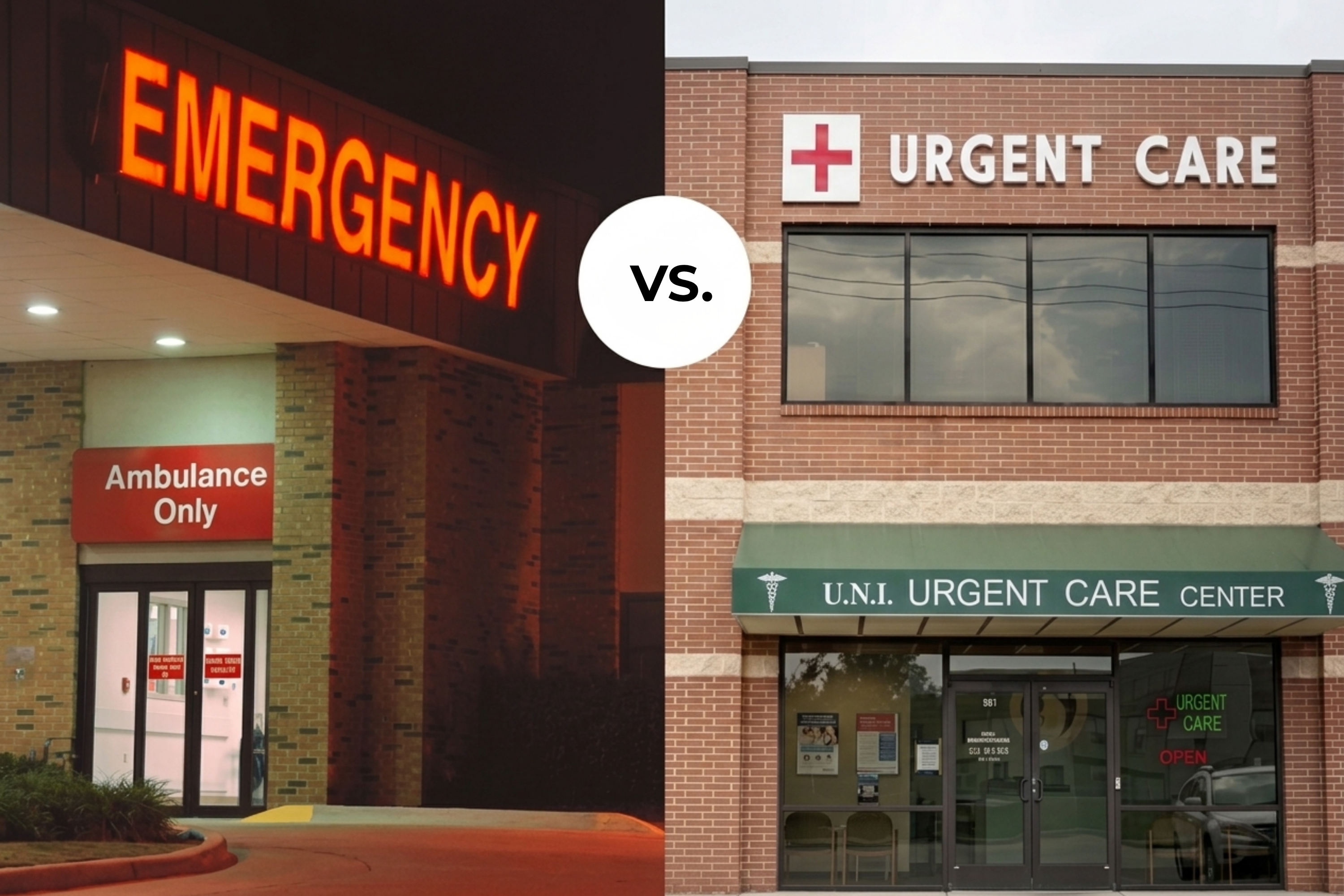
When an unexpected illness or injury happens, many people immediately wonder whether they should go to the emergency room or visit an urgent care clinic. Making the right choice can save time, reduce medical expenses, and ensure patients receive appropriate treatment as quickly as possible. While emergency rooms are essential for life-threatening conditions, urgent care centers are designed to handle a wide range of non-life-threatening medical concerns efficiently and affordably.
Understanding the differences between urgent care and emergency room services helps patients make informed healthcare decisions. In many cases, urgent care facilities provide fast, high-quality treatment without the long wait times and high costs commonly associated with emergency departments.
At UNI Urgent Care, patients receive prompt and professional medical attention for a variety of illnesses and injuries that require immediate care but are not severe enough for the emergency room.
Understanding the Difference Between Urgent Care and the Emergency Room
Before deciding where to seek treatment, it is important to understand how urgent care centers and emergency rooms differ.
What Is Urgent Care?
Urgent care centers are medical facilities that provide immediate treatment for conditions requiring prompt attention but are not considered medical emergencies. These clinics bridge the gap between primary care physicians and hospital emergency rooms.
Urgent care centers are ideal for:
-
Minor injuries
-
Mild to moderate illnesses
-
Infections
-
Diagnostic testing
-
Vaccinations
-
Basic medical procedures
Patients often choose urgent care because of:
-
Shorter wait times
-
Lower costs
-
Walk-in availability
-
Extended hours
-
Convenient access
What Is the Emergency Room?
Emergency rooms are hospital-based departments equipped to handle severe, life-threatening, and complex medical emergencies. ERs operate 24/7 and are staffed with emergency physicians, trauma specialists, and advanced life-saving equipment.
Emergency rooms are intended for:
-
Heart attacks
-
Strokes
-
Severe bleeding
-
Major trauma
-
Difficulty breathing
-
Seizures
-
Loss of consciousness
-
Serious burns
Because emergency rooms prioritize patients based on severity, individuals with minor conditions may experience extremely long wait times.
Why Choosing the Right Facility Matters
Selecting the appropriate level of care benefits both patients and healthcare systems.
Reduced Healthcare Costs
Emergency room visits are significantly more expensive than urgent care visits. Even minor conditions treated in the ER can lead to large medical bills due to hospital facility fees, diagnostic testing costs, and specialist charges.
Urgent care centers provide a more affordable alternative for non-emergency conditions.
Faster Treatment
Urgent care facilities usually offer shorter wait times. Since emergency rooms prioritize critically ill patients, individuals with minor issues may wait several hours before being treated.
Urgent care centers typically operate on a first-come, first-served basis for non-critical concerns.
Better Resource Allocation
Using urgent care appropriately helps emergency rooms focus on patients experiencing true medical emergencies.
This improves healthcare efficiency and ensures critically ill patients receive immediate attention.
Conditions That Are Appropriate for Urgent Care
Urgent care centers can treat a wide variety of medical conditions. Patients should consider urgent care when symptoms are uncomfortable or require prompt evaluation but are not life-threatening.
Cold and Flu Symptoms
Urgent care clinics commonly treat:
-
Fever
-
Sore throat
-
Cough
-
Congestion
-
Body aches
-
Ear infections
-
Sinus infections
Providers can diagnose viral and bacterial infections, prescribe medications when necessary, and recommend supportive care.
Minor Cuts and Lacerations
Urgent care centers can handle cuts that may require:
-
Cleaning
-
Bandaging
-
Stitches
-
Steri-strips
-
Wound care instructions
However, severe bleeding or deep wounds involving arteries require emergency room treatment.
Sprains and Minor Fractures
Urgent care clinics often provide:
-
X-rays
-
Splinting
-
Bracing
-
Pain management
-
Orthopedic referrals
Minor sports injuries and joint sprains are frequently treated successfully in urgent care settings.
Minor Burns
First-degree and small second-degree burns can usually be treated at urgent care facilities.
Treatment may include:
-
Burn cleaning
-
Dressings
-
Pain relief
-
Infection prevention
Severe burns involving large body areas require emergency care.
Urinary Tract Infections (UTIs)
Urgent care providers can diagnose UTIs through urine testing and prescribe antibiotics when needed.
Common symptoms include:
-
Burning during urination
-
Frequent urination
-
Pelvic discomfort
-
Urgency
Allergic Reactions Without Breathing Difficulty
Mild allergic reactions such as:
-
Rashes
-
Mild swelling
-
Itching
-
Hives
can often be treated at urgent care.
However, severe allergic reactions involving throat swelling or difficulty breathing require immediate emergency treatment.
Mild Asthma Symptoms
Patients experiencing mild asthma flare-ups without severe breathing distress may benefit from urgent care treatment.
Clinics may provide:
-
Breathing treatments
-
Medication refills
-
Symptom evaluation
Vomiting and Diarrhea
Urgent care clinics can treat mild dehydration and gastrointestinal illnesses through:
-
Physical evaluations
-
Anti-nausea medications
-
Hydration recommendations
Severe dehydration or persistent symptoms may require ER care.
Pink Eye and Eye Irritation
Urgent care providers frequently treat:
-
Conjunctivitis
-
Mild eye infections
-
Irration from debris
-
Allergic eye reactions
Sudden vision loss or severe eye trauma should be treated in the emergency room.
Skin Conditions
Urgent care facilities can evaluate and treat:
-
Rashes
-
Insect bites
-
Minor skin infections
-
Poison ivy
-
Cellulitis (mild cases)
Situations That Require Emergency Room Care
While urgent care is highly effective for many illnesses and minor injuries, certain symptoms and medical situations should never be delayed or treated outside of an emergency room. Emergency departments are equipped to handle life-threatening conditions that require immediate evaluation, advanced testing, and rapid intervention.
Chest Pain
Chest pain should always be taken seriously, especially if it is sudden, severe, or accompanied by other symptoms such as sweating, nausea, dizziness, or shortness of breath.
Chest pain may indicate:
-
Heart attack
-
Pulmonary embolism
-
Serious cardiac conditions
-
Aortic dissection
-
Severe respiratory complications
Immediate emergency evaluation is essential because delayed treatment can lead to permanent heart or lung damage.
Difficulty Breathing
Severe breathing problems can quickly become life-threatening and require immediate emergency care.
Seek emergency treatment for symptoms such as:
-
Severe asthma attacks
-
Blue lips or fingertips
-
Labored or rapid breathing
-
Oxygen deprivation
-
Chest tightness with breathing difficulty
-
Inability to speak full sentences due to shortness of breath
Respiratory distress may signal serious conditions like pneumonia, allergic reactions, blood clots, or respiratory failure.
Stroke Symptoms
A stroke is a medical emergency where every minute matters. Fast treatment can significantly reduce the risk of permanent brain damage or disability.
Remember the acronym FAST:
-
Face drooping
-
Arm weakness
-
Speech difficulty
-
Time to call emergency services
Additional stroke symptoms may include sudden confusion, severe headache, vision problems, dizziness, or loss of coordination.
Severe Bleeding
Uncontrolled or heavy bleeding requires immediate emergency intervention, especially if the bleeding does not stop after applying pressure.
Emergency warning signs include:
-
Rapid blood loss
-
Deep wounds
-
Spurting blood
-
Signs of shock
-
Pale skin or fainting
Severe bleeding can quickly become life-threatening if not treated promptly.
Loss of Consciousness
Fainting, sudden unconsciousness, confusion, or seizures should always be evaluated in the emergency room.
Loss of consciousness may be linked to:
-
Brain injuries
-
Seizures
-
Heart problems
-
Severe infections
-
Neurological emergencies
Even brief episodes should not be ignored, particularly if they occur unexpectedly.
Serious Head Injuries
Head trauma can lead to concussions, internal bleeding, or traumatic brain injuries.
Seek emergency care if head injuries involve:
-
Vomiting
-
Confusion
-
Loss of consciousness
-
Severe headache
-
Slurred speech
-
Memory loss
-
Unequal pupil size
Prompt evaluation is critical to prevent serious complications.
Major Fractures
Broken bones involving severe deformity, exposed bone, or inability to move the affected area require emergency treatment.
Emergency room care is necessary for:
-
Compound fractures
-
Suspected spinal injuries
-
Hip fractures
-
Severe joint dislocations
-
Injuries causing numbness or circulation problems
These injuries may require surgery or advanced orthopedic care.
Severe Burns
Large or serious burns require specialized emergency treatment to prevent infection, shock, and tissue damage.
Seek emergency care for:
-
Burns covering large areas of the body
-
Electrical burns
-
Chemical burns
-
Burns affecting the face, hands, feet, or airway
-
Burns causing blistering or charring
Serious burns can impact breathing, circulation, and overall organ function.
Poisoning or Overdose
Poisoning and drug overdoses are critical medical emergencies that require immediate intervention.
Emergency treatment is necessary for:
-
Medication overdoses
-
Accidental poisoning
-
Drug reactions
-
Inhalation of toxic substances
-
Alcohol poisoning
Rapid treatment can prevent organ damage, respiratory failure, and other life-threatening complications.
How Urgent Care Centers Improve Healthcare Accessibility
Urgent care centers have become increasingly important in modern healthcare systems.
Extended Hours
Many urgent care clinics offer:
-
Evening hours
-
Weekend availability
-
Holiday services
This makes care more accessible outside standard doctor office hours.
Walk-In Convenience
Patients typically do not need appointments, making urgent care ideal for sudden illnesses or injuries.
Lower Wait Times
Compared to emergency rooms, urgent care clinics usually provide faster treatment for non-critical conditions.
Diagnostic Services
Many urgent care centers offer onsite:
-
X-rays
-
Laboratory testing
-
COVID-19 testing
-
Flu testing
-
Strep testing
This allows faster diagnosis and treatment.
Cost Comparison: Urgent Care vs Emergency Room
Healthcare expenses are a major consideration for many families.
Emergency Room Costs
Emergency room visits often involve:
-
Facility fees
-
Specialist fees
-
Advanced imaging charges
-
Hospital overhead costs
Even minor treatments can cost thousands of dollars.
Urgent Care Costs
Urgent care visits are usually far more affordable.
Patients often benefit from:
-
Lower copays
-
Transparent pricing
-
Reduced overall medical expenses
For uninsured individuals, urgent care may provide substantial savings.
The Role of Urgent Care During Cold and Flu Season
During flu season, emergency rooms often become overcrowded with non-emergency illnesses.
Urgent care centers help by treating:
-
Flu symptoms
-
Respiratory infections
-
Fevers
-
Ear infections
-
Dehydration
This reduces ER congestion and helps hospitals focus on critical emergencies.
Pediatric Urgent Care Services
Children frequently experience illnesses and injuries that require immediate attention but are not emergencies.
Urgent care clinics commonly treat:
-
Ear infections
-
Fever
-
Minor injuries
-
Sore throats
-
Mild allergic reactions
Parents often appreciate the convenience and faster treatment times.
Occupational Medicine and Workplace Injuries
Many urgent care facilities also provide occupational health services.
These may include:
-
Workers’ compensation evaluations
-
Drug testing
-
Physical exams
-
Minor workplace injury treatment
This helps employees receive timely care while supporting employers.
Telemedicine and Virtual Urgent Care
Modern urgent care clinics increasingly offer telehealth services.
Virtual care can help manage:
-
Minor illnesses
-
Prescription refills
-
Follow-up appointments
-
Skin conditions
-
Cold symptoms
Telemedicine expands healthcare access while reducing unnecessary travel.
How to Decide Where to Go
When deciding between urgent care and the ER, ask:
-
Is the condition life-threatening?
-
Is there severe pain or bleeding?
-
Is breathing affected?
-
Could delaying treatment cause permanent harm?
-
Is the patient conscious and stable?
If the answer to any serious concern is yes, emergency care is likely necessary.
If symptoms are uncomfortable but stable, urgent care may be the best option.
Benefits of Choosing UNI Urgent Care
UNI Urgent Care is committed to providing fast, compassionate, and efficient healthcare services for non-life-threatening medical conditions.
Patients benefit from:
-
Experienced medical professionals
-
Convenient walk-in services
-
Extended availability
-
Prompt diagnosis and treatment
-
Affordable healthcare solutions
Whether dealing with minor injuries, illnesses, infections, or routine urgent medical needs, urgent care clinics provide valuable healthcare support when patients need immediate attention without emergency-level intervention.
Preventing Unnecessary Emergency Room Visits
Patients can help avoid unnecessary ER visits by:
-
Understanding symptom severity
-
Having a regular primary care provider
-
Knowing nearby urgent care locations
-
Seeking early treatment before conditions worsen
Education plays a major role in improving healthcare decision-making.
Frequently Asked Questions (FAQs)
What conditions should always go to the emergency room?
Conditions involving chest pain, stroke symptoms, severe bleeding, difficulty breathing, major trauma, seizures, and loss of consciousness should always be treated in the ER.
Can urgent care treat broken bones?
Urgent care centers can often diagnose and treat minor fractures and sprains using X-rays, splints, and braces. Severe fractures may require emergency treatment.
Is urgent care cheaper than the emergency room?
Yes. Urgent care visits are generally much more affordable than emergency room visits for non-life-threatening conditions.
Can urgent care prescribe medications?
Yes. Providers at urgent care clinics can prescribe medications such as antibiotics, pain relievers, inhalers, and other treatments when medically appropriate.
Do urgent care centers accept walk-ins?
Most urgent care clinics accept walk-in patients without appointments.
Should I go to urgent care for flu symptoms?
Yes. Urgent care is often an excellent option for evaluating and treating flu symptoms, fever, sore throat, cough, and related illnesses.
Can urgent care handle pediatric patients?
Many urgent care clinics treat children for common illnesses and minor injuries.
What if I am unsure whether my condition is an emergency?
If symptoms appear severe, worsen rapidly, or involve breathing problems, chest pain, confusion, or heavy bleeding, seek emergency care immediately.
Conclusion
Understanding when to choose urgent care over the emergency room is essential for receiving timely, appropriate, and cost-effective medical treatment. Urgent care clinics provide an excellent solution for non-life-threatening conditions such as minor injuries, infections, flu symptoms, mild asthma attacks, and routine urgent medical concerns.
Emergency rooms remain critical for serious, life-threatening situations that require advanced medical intervention. Knowing the difference helps patients avoid unnecessary healthcare expenses, reduce wait times, and ensure emergency resources remain available for those in critical condition.
For fast, reliable, and compassionate care for non-emergency medical needs, urgent care centers offer a convenient and practical healthcare option for individuals and families alike.
If you or a loved one needs prompt medical attention for a non-life-threatening illness or injury, trust the experienced team at UNI Urgent Care for quality healthcare services.
📍 Corporate Office Address: 826 Washington Road, Suite 110A, Westminster, MD 21157
📞 Phone: (410) 751-7480
🌐 Website: uniurgentcare.com
Visit today for fast, convenient, and compassionate urgent medical care.
