
Traveling is one of life’s most enriching experiences. Whether you’re exploring ancient cities, relaxing on tropical beaches, visiting family overseas, or traveling for work, every journey brings new cultures, perspectives, and opportunities.
However, international travel also exposes you to health risks that may not exist in your home country. Diseases that are rare or controlled in one region can be common in another. This is why travel vaccinations are not just optional—they are a critical part of pre-travel planning.
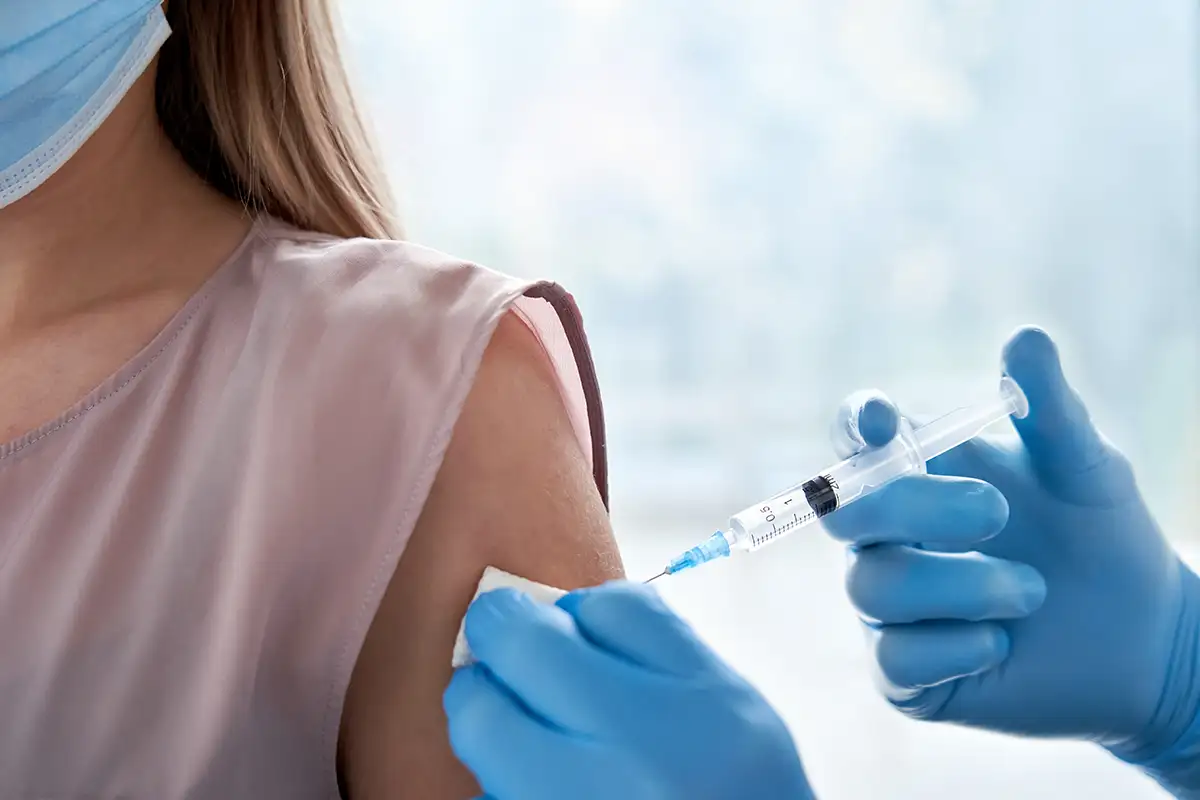
This comprehensive guide explains everything you need to know about essential travel vaccinations, including which ones you need, why they matter, how to prepare, and how to stay safe before, during, and after your trip.
When you travel internationally, your body encounters unfamiliar environments, foods, water sources, insects, and people, all of which can introduce new health risks. Even simple activities like eating street food, drinking untreated water, or being bitten by a mosquito can expose you to bacteria, viruses, or parasites your immune system may not recognize. These pathogens can cause illnesses ranging from mild stomach infections to more serious diseases such as hepatitis, typhoid, or malaria. Because of this increased exposure, travelers are advised to take preventive measures, including vaccinations, proper hygiene practices, and careful food and water choices, to reduce health risks abroad.
Vaccinations help by:
Training your immune system to recognize and fight specific infections
Reducing the severity of illness if exposure occurs
Preventing outbreaks across borders
Meeting legal entry requirements for some countries
Protecting vulnerable populations when you return home
Some infections can cause long-term complications, hospitalization, or even death—yet they are entirely preventable with vaccines.
Timing matters significantly. The ideal window is:
4 to 6 weeks before departure
This allows time for:
Full immunity development
Multi-dose vaccine schedules
Booster shots if necessary
Medical evaluation of your travel risks
However, if your trip is soon, do not skip vaccines entirely. Even last-minute immunization can offer partial protection and reduce risk.
Not every traveler requires the same vaccinations before a trip. The specific vaccines you need depend on several important factors, including your destination, length of stay, planned activities, and overall health condition. For example, travelers visiting rural areas or regions with lower sanitation standards may need additional protection compared to those staying in urban or developed destinations. Similarly, long-term travelers or individuals with underlying health conditions may require extra precautions. Because of these variations, it is important to assess travel risks individually. Below is a detailed breakdown of the most commonly recommended and important travel vaccines to help guide your preparation.
Before considering any travel-specific vaccinations, it is essential to ensure that your routine immunizations are fully up to date. These standard vaccines form the foundation of your overall protection against common and potentially serious diseases. Routine immunizations typically include protection against illnesses such as measles, mumps, rubella, tetanus, diphtheria, pertussis, polio, influenza, and COVID-19. Many of these diseases still exist globally and can spread easily through travel and close contact with others. Keeping your routine vaccines current not only protects your personal health but also reduces the risk of bringing infections across borders or contributing to outbreaks during your travels.
These include:
Measles, Mumps, Rubella (MMR)
Tetanus, Diphtheria, Pertussis (Tdap)
Polio vaccine
Chickenpox (Varicella)
Influenza (seasonal flu shot)
COVID-19 vaccine (as recommended)
Diseases like measles still cause outbreaks globally, especially in areas with low vaccination coverage. Air travel makes transmission easier than ever, meaning even developed destinations are not risk-free.
Hepatitis A is a contagious viral infection that primarily affects the liver and is commonly transmitted through contaminated food and water. It often spreads in areas with poor sanitation or inadequate hygiene practices, where food handling and water safety may be compromised. Travelers can become infected by consuming raw or undercooked foods, unwashed fruits and vegetables, or drinking unsafe water. The illness can cause symptoms such as fatigue, nausea, abdominal pain, fever, and jaundice. While most people recover fully, Hepatitis A can lead to severe discomfort and temporary liver dysfunction. Vaccination is the most effective way to prevent infection.
High-risk destinations:
Southeast Asia
Africa
Central and South America
Parts of the Middle East
How it spreads:
Contaminated food handling
Dirty water sources
Unwashed produce
Poor sanitation systems
Why travelers need it:
Even high-end restaurants can occasionally be affected. One contaminated meal can cause illness lasting weeks.
Symptoms include:
Fatigue
Nausea
Abdominal pain
Jaundice
Vaccination is highly effective and strongly recommended for most international travelers.
Hepatitis B is a serious viral infection that spreads through contact with infected blood and other bodily fluids, including through unprotected sex, shared needles, or exposure to contaminated medical equipment. Unlike some other infections, Hepatitis B can become chronic, meaning it may persist in the body for years without obvious symptoms. Over time, chronic infection can cause severe liver damage, including cirrhosis, liver failure, and even liver cancer. Because of its long-term health risks and ease of transmission in certain situations, prevention through vaccination and safe health practices is extremely important, especially for travelers visiting regions with higher infection rates.
Risk situations:
Medical emergencies abroad
Unprotected sexual contact
Tattoos or piercings
Long-term stays in developing regions
Why it is important:
Unlike Hepatitis A, Hepatitis B can become lifelong. Many people don’t realize they are infected until years later.
Vaccination provides long-term protection and is especially important for frequent travelers.
Typhoid fever is a bacterial infection caused by Salmonella typhi and spread through contaminated food and water, especially in areas with poor sanitation. It causes high fever, weakness, and stomach pain. If untreated, it can become severe. Vaccination and safe food and water practices are essential for prevention while traveling.
Common in:
India and South Asia
Parts of Africa
Latin America
Symptoms:
High fever
Weakness
Stomach pain
Digestive issues
Vaccine options:
Injectable (protection ~2 years)
Oral capsules (protection up to 5 years)
Travelers visiting rural areas or eating street food should strongly consider this vaccine.
Yellow fever is a serious mosquito-borne viral disease found in tropical regions of Africa and South America. It causes fever, chills, headache, and in severe cases jaundice and bleeding. With no specific cure, prevention is vital. Vaccination provides strong protection, and mosquito repellents and protective clothing help reduce risk.
Why it is unique:
Some countries legally require proof of vaccination for entry.
Symptoms:
Fever and chills
Muscle pain
Severe liver complications in advanced cases
Important requirement:
You may need an International Certificate of Vaccination (Yellow Card).
Without it, entry may be denied in certain regions.
Rabies is a viral disease that affects the central nervous system and is almost always fatal once symptoms appear. It spreads through bites or scratches from infected animals, including dogs, bats, and monkeys. Though deadly, it is preventable with vaccination and urgent treatment after exposure, especially for high-risk travelers.
Risk areas:
Rural Asia
Africa
Latin America
Exposure sources:
Dog bites
Monkey bites
Bat exposure
Wild animal contact
Who should consider it:
Backpackers
Cyclists and hikers
Long-term travelers
Animal handlers
Pre-exposure vaccination simplifies emergency treatment if bitten abroad.
This mosquito-borne viral infection is found mainly in rural agricultural areas of Asia and the Western Pacific. It can cause brain inflammation, leading to fever, headache, vomiting, confusion, and severe neurological complications. Since there is no specific cure, prevention through vaccination and mosquito protection is essential for safety.
Found in:
Southeast Asia
Western Pacific regions
Risk factors:
Long stays in rural areas
Rice field exposure
Monsoon season travel
Outdoor camping
Although rare in travelers, it can cause severe brain inflammation.
Meningococcal disease is a serious bacterial infection that spreads through respiratory droplets such as coughing, sneezing, or close contact with an infected person. It can rapidly develop into meningitis, an inflammation of the protective membranes around the brain and spinal cord. Symptoms may include fever, headache, and stiff neck. Vaccination helps prevent infection.
High-risk groups:
Hajj and Umrah pilgrims
College students in dormitories
Travelers to Africa’s “meningitis belt”
Why it matters:
It progresses rapidly and can become life-threatening within hours.
Cholera is a bacterial infection caused by consuming contaminated water or food, leading to severe watery diarrhea and rapid dehydration. It is most common in areas with poor sanitation and limited access to clean water. If untreated, it can be life-threatening. Prevention includes safe drinking water, hygiene, and vaccination in high-risk areas.
Recommended for:
Disaster relief workers
Refugee camp workers
Outbreak response teams
It is not routinely needed for typical tourism but may be advised in specific conditions.
There is no widely used vaccine for malaria for most travelers, so prevention is essential. Malaria is a serious disease transmitted by infected mosquitoes, mainly in tropical regions. Travelers should use antimalarial medication, insect repellent, bed nets, and protective clothing to reduce the risk of infection and avoid mosquito bites.
Prevention methods:
Prescription antimalarial medication
Mosquito repellents (DEET-based)
Protective clothing
Bed nets in high-risk areas
Common regions:
Sub-Saharan Africa
Parts of South America
South Asia
Malaria can become severe quickly, so prevention is essential.
Southeast Asia
Hepatitis A
Typhoid
Japanese Encephalitis
Routine vaccines
Africa
Yellow Fever (required in some countries)
Hepatitis A & B
Typhoid
Meningococcal (select regions)
Malaria prevention
South America
Yellow Fever (some regions)
Hepatitis A
Typhoid
Rabies (rural areas)
Middle East
Meningococcal (pilgrimage requirement)
Hepatitis A
Routine vaccines
Before you travel:
✔ Check vaccination records
✔ Schedule a travel health consultation
✔ Pack medical documents
✔ Research destination-specific risks
✔ Prepare mosquito protection supplies
✔ Carry a basic first aid kit
✔ Get travel insurance with medical coverage
Myth 1: “Vaccines are only needed for poor countries.”
False. Diseases spread globally through travel.
Myth 2: “Food hygiene is enough protection.”
Not always—viruses can still spread even in clean environments.
Myth 3: “I don’t travel often, so I don’t need vaccines.”
Even one trip can expose you to serious illness.
Myth 4: “Vaccines are dangerous.”
Most side effects are mild and temporary compared to the diseases they prevent.
Most travel vaccines cause only mild reactions:
Soreness at injection site
Mild fever
Fatigue
Headache
Serious reactions are extremely rare. Your provider will evaluate your medical history before vaccination.
Travel health clinics provide:
Destination-specific risk analysis
Required international vaccination certificates
Personalized vaccine schedules
Malaria prevention prescriptions
Emergency travel advice
They ensure you are fully prepared, not just partially protected.
1. Do I need vaccines for every trip abroad?
Not always. It depends on destination, duration, and activities.
2. Can I get vaccinated the day before travel?
Yes, but early vaccination is better for full immunity.
3. Are travel vaccines expensive?
Costs vary, but preventing illness is far cheaper than treating it abroad.
4. Can I receive multiple vaccines in one visit?
Yes, most can be safely administered together.
5. Do vaccines guarantee full protection?
No, but they significantly reduce risk and severity.
6. What if I lose my vaccination record?
Clinics can often reissue documentation.
Travel vaccinations are one of the most important—but often overlooked—parts of trip planning. They protect you from serious diseases, help you comply with international requirements, and ensure your journey remains safe and enjoyable.
A small investment in prevention today can save you from major health risks tomorrow. Whether you are traveling for business, leisure, or long-term stays, proper immunization is essential for responsible and safe travel.
Before your next trip, prioritize your health. Schedule a travel vaccination consultation and ensure you are fully protected against preventable diseases.
Professional guidance and urgent care support are available at:
Uni Urgent Care
📍 Corporate Office Address: 826 Washington Road, Suite 110A, Westminster, MD 21157
📞 Phone: (410) 751-7480
🌐 Website: https://uniurgentcare.com/
Stay protected. Travel confidently. Experience the world without unnecessary health risks.
