
Healthcare never stands still. Treatments change, guidelines shift, and new patient needs arise every single day. What worked five years ago, or even last year, may no longer be the best approach. That’s why leading healthcare organizations put such a heavy focus on training and education. At UNI Urgent Care, this commitment to growth and learning is more than a policy — it’s a culture.
UNI Urgent Care has become a trusted provider for communities across Maryland, with locations in Westminster, Frederick, Hagerstown, and Urbana. Thousands of patients visit UNI every year for everything from everyday illnesses and minor injuries to DOT physicals, occupational health services, primary care, and on-site labs and imaging. Families depend on UNI for care that is not only convenient but also consistent and trustworthy. To meet those expectations, UNI has built continuous staff training into the way it operates.
That’s where Training Day comes in. Training Day is UNI Urgent Care’s way of ensuring that every provider, nurse, medical assistant, and staff member has the knowledge, tools, and confidence to deliver the highest standard of care. It’s not a one-off event. It’s a recurring investment in people — because well-prepared teams create better outcomes for patients.
The value of Training Day is two-fold. First, it equips staff with the latest clinical knowledge. Whether it’s updated urgent care protocols for treating respiratory infections, best practices for managing workplace injuries, or reminders on patient safety standards, these sessions ensure that UNI staff are always operating at the highest level. Second, it builds consistency across all UNI locations. A patient visiting UNI in Frederick should receive the same level of care as a patient in Westminster, and that only happens when teams are trained together and aligned on the same processes.
What makes UNI’s Training Day especially important is the pace of urgent care. Unlike scheduled specialty visits, urgent care sees patients walking in at any time, often with no appointment. Staff must be ready to respond immediately, whether the patient has flu-like symptoms, a sprained ankle, or requires a DOT exam for work. Training Day prepares teams for that variety. Through presentations, practical exercises, and team discussions, staff learn how to balance efficiency with quality, ensuring patients don’t wait longer than they need to and receive the right care the first time.
But Training Day is more than just skills and checklists. It’s also about culture. Bringing staff together from multiple clinics strengthens team connection and morale. It reinforces UNI’s mission: to provide care that is not only effective but also compassionate and consistent. For patients, that means walking into a clinic where the staff are engaged, confident, and aligned in their purpose.
In other words, Training Day is UNI’s way of showing patients that behind every quick visit and every accurate diagnosis is a team that takes preparation seriously. It’s proof that the care patients experience in the exam room is backed by hours of learning, collaboration, and commitment behind the scenes.
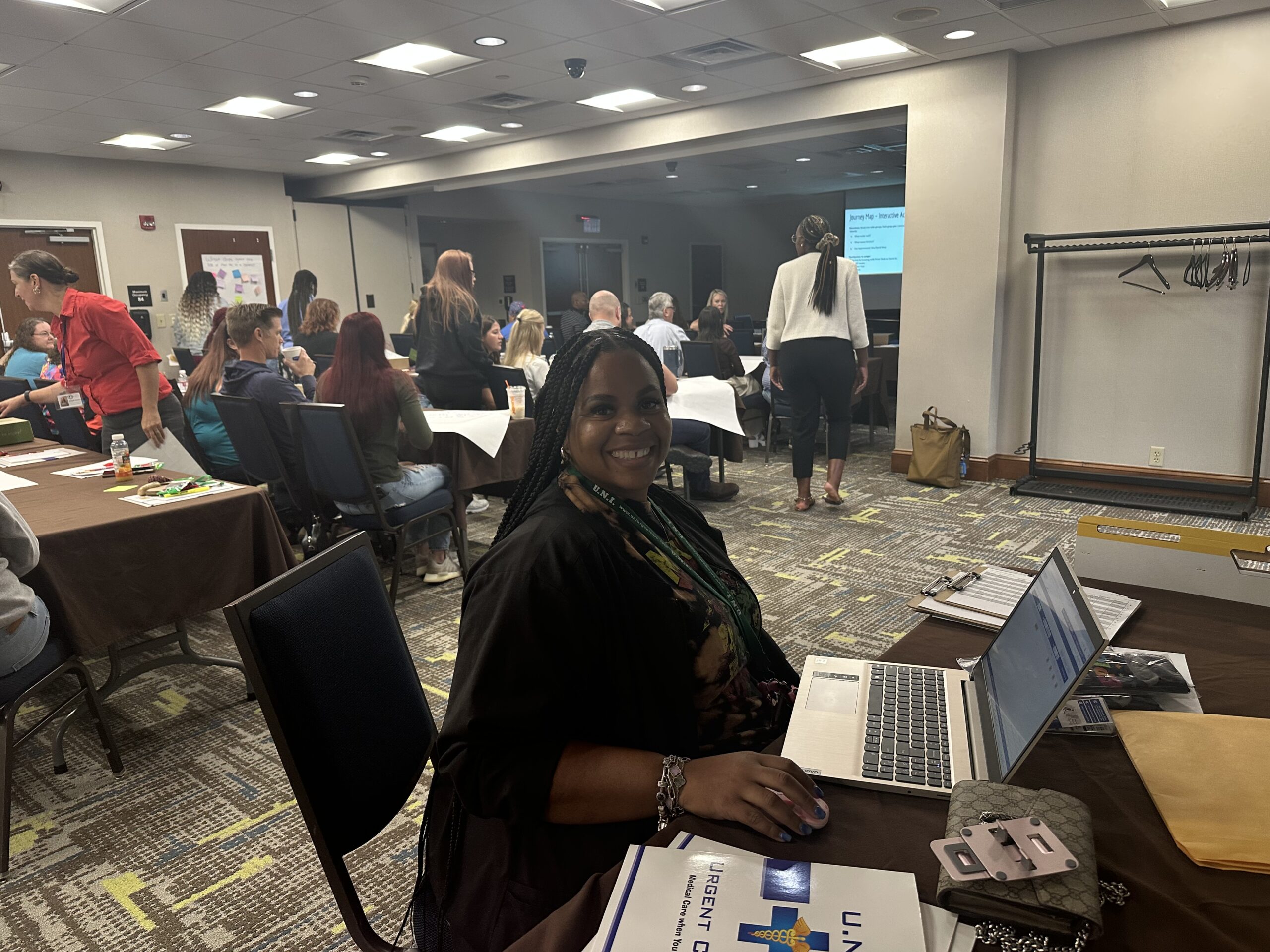
Urgent care medicine is unique in healthcare. Unlike primary care, where appointments are scheduled, or emergency departments, which handle life-threatening crises, urgent care clinics manage everything in between. Patients walk in without notice. Some need a quick test for strep throat, others have sprains, burns, or cuts, while others arrive for a required DOT exam before returning to work.
This unpredictable flow means providers and staff must be prepared for a wide range of conditions and scenarios every single day. Without consistent training, teams risk falling behind. Guidelines for common illnesses change. State and federal compliance requirements shift. Even the way clinics handle workflow — from check-in to discharge — evolves over time.
Continuous training ensures that every UNI Urgent Care location is ready. Providers review clinical updates, staff refresh their knowledge of safety protocols, and teams learn how to handle patient surges more effectively. The result is care that’s not only fast but accurate and consistent across all UNI locations.
Training Day is a structured event designed with both staff development and patient outcomes in mind. While the specific agenda may vary, the goals are always the same: keep the team aligned, informed, and motivated. At UNI Urgent Care, this is about more than internal growth — it’s about ensuring patients across Maryland get consistent, high-quality care no matter which location they visit.
Here’s a closer look at the five core areas Training Day focuses on:
One of the most important components of Training Day is reviewing and updating clinical knowledge. Urgent care teams treat a wide range of conditions every day, from common illnesses like ear infections and strep throat to minor injuries such as sprains, cuts, or burns. Medical guidelines and treatment protocols are updated regularly by national organizations, and UNI makes it a priority to ensure its staff are trained on the latest evidence-based practices.
For example, respiratory illness treatment has changed significantly in recent years with updated recommendations for flu testing, RSV protocols, and even COVID-19 care. Wound care techniques also continue to evolve, with new approaches for cleaning, bandaging, and preventing infection. During Training Day, providers revisit these guidelines, ask questions, and discuss case studies to ensure everyone is applying best practices consistently.
Clinical training also includes refreshers on how to use in-house diagnostic tools effectively. UNI offers on-site lab testing and X-rays, which are critical for quick, accurate diagnoses. Staff practice interpreting results, reviewing procedures for ordering tests, and discussing how to integrate findings into treatment decisions. This ensures that patients receive not only fast service but also care that is medically sound and up-to-date.
By investing heavily in clinical knowledge during Training Day, UNI Urgent Care guarantees that its teams aren’t just treating patients quickly — they’re treating them correctly.
UNI Urgent Care is widely known for its occupational health services, especially DOT physicals, pre-employment screenings, and workplace injury care. Employers across Maryland trust UNI because they know the clinics balance employee health with compliance requirements. Training Day plays a critical role in keeping this trust intact.
During these sessions, providers review Department of Transportation (DOT) standards for commercial driver medical exams. These standards are updated periodically, and noncompliance can put both employees and companies at risk. UNI ensures that its staff are fully aligned with current DOT guidelines, from documentation requirements to vision and hearing standards, so drivers can get back to work safely and legally.
Occupational medicine training also covers workplace injuries. UNI providers often treat strains, sprains, back injuries, or repetitive stress conditions related to job duties. Training sessions include case reviews and updates on treatment best practices to ensure employees recover quickly while employers receive accurate documentation for workplace safety.
Another part of this training is focused on communication with employers. Providers are reminded how to balance employee confidentiality with the reporting requirements businesses need for compliance. This professionalism is why so many Maryland businesses choose UNI for their occupational health needs.
By dedicating a portion of Training Day to occupational medicine, UNI strengthens its role as both a healthcare provider and a partner to local businesses.
In urgent care, patient safety is non-negotiable. From the moment someone enters a clinic, every step — check-in, triage, treatment, and discharge — carries potential safety risks if not managed carefully. Training Day dedicates significant time to reviewing safety protocols so patients and staff are protected at all times.
Infection control is a key area. UNI Urgent Care teams review hand hygiene practices, cleaning procedures, and the use of personal protective equipment (PPE). These protocols became even more critical during the COVID-19 pandemic, but they remain essential for preventing the spread of flu, RSV, strep, and other common illnesses in a clinic setting.
Patient safety training also includes updates on emergency procedures. While UNI clinics handle non-life-threatening conditions, patients may sometimes arrive with more serious issues. Staff review how to recognize red flags, stabilize patients if needed, and coordinate transfers to emergency departments quickly and effectively.
Another important aspect is medication safety. Providers and medical assistants revisit guidelines for administering medications, checking allergies, and educating patients about potential side effects. These steps help prevent errors and ensure safe treatment.
By focusing heavily on patient safety during Training Day, UNI reinforces its commitment to building patient trust. Families walk into UNI knowing the clinics are clean, safe, and operated by staff who prioritize safety as much as speed.
Beyond medical expertise and safety, UNI Urgent Care knows that the patient experience shapes how people view their healthcare. A patient might receive excellent treatment, but if they feel rushed, unheard, or confused, their perception of the visit suffers. Training Day dedicates time to improving the human side of urgent care.
Staff practice communication strategies designed to build trust and reduce patient anxiety. For example, providers are encouraged to explain procedures clearly, use plain language, and check for understanding. This is especially important in urgent care, where patients may arrive stressed, in pain, or uncertain about their condition.
Role-playing scenarios are often used during training to simulate difficult conversations — such as delivering unexpected test results or calming frustrated patients during busy times. These exercises help staff build confidence and consistency in their responses.
Training Day also covers cultural competency, reminding staff of the importance of respecting diverse backgrounds and being sensitive to cultural differences that may affect communication or treatment expectations.
Ultimately, focusing on patient experience ensures that UNI clinics don’t just deliver medical care — they deliver care that feels supportive and respectful. When patients feel heard and valued, they are more likely to follow medical advice, return for follow-up visits, and recommend UNI to others.
Urgent care is all about timing. Patients choose UNI because they want high-quality care without the long waits of emergency rooms or the scheduling delays of primary care offices. That’s why Training Day includes a strong emphasis on workflow efficiency.
Staff review every step of the patient journey — from check-in at the front desk to triage, treatment, and discharge. The goal is to identify bottlenecks and standardize processes so patients move through the system smoothly. For example, check-in procedures are evaluated to ensure patient information is collected quickly and accurately. Triage protocols are revisited so the most urgent cases are prioritized appropriately.
Providers also discuss how to maximize the use of on-site labs and imaging. By ensuring that test orders are handled efficiently, results can be returned to patients faster, reducing unnecessary waiting. Discharge processes are streamlined as well, focusing on clear instructions, medication reviews, and follow-up scheduling.
Training Day even covers staff communication and coordination. When providers, nurses, and front desk staff all work from the same playbook, handoffs are smoother, and errors are reduced. This leads to faster, safer care for patients and a more manageable workload for staff.
Improving workflow efficiency benefits everyone — patients spend less time waiting, and staff feel less overwhelmed. The end result is a clinic that runs like clockwork, delivering both speed and quality.
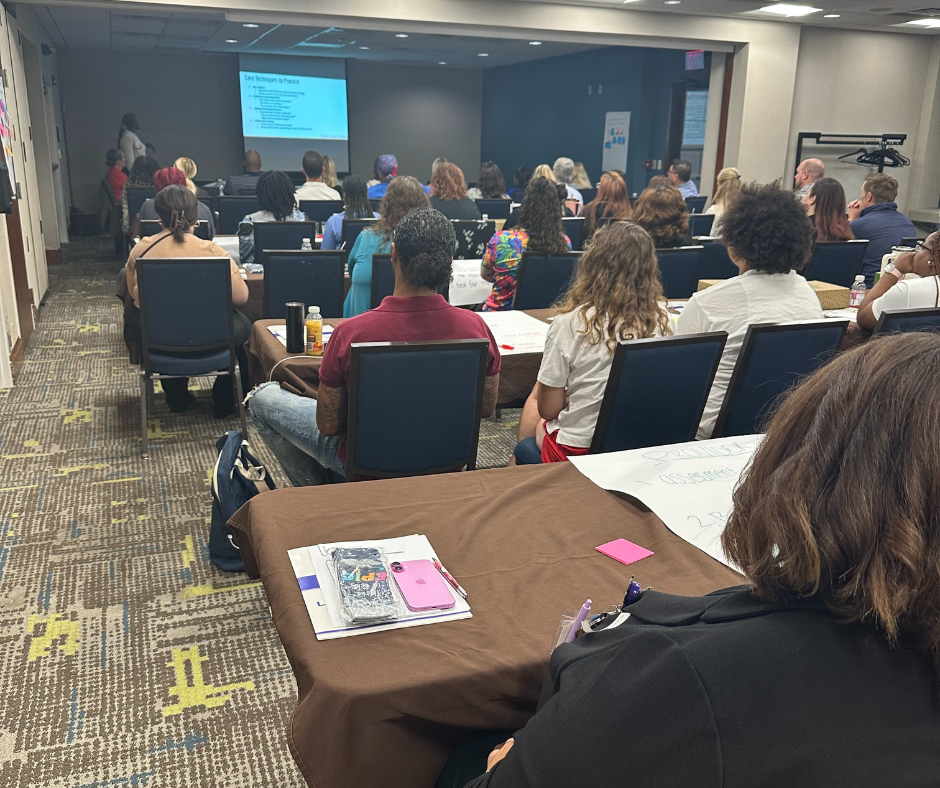
Patients don’t see Training Day, but they experience the results. Continuous training translates directly into patient-centered benefits:
Faster Visits: With refined workflows, patients move from check-in to treatment more quickly.
Accurate Diagnoses: Providers are updated on the latest clinical guidelines, reducing misdiagnosis risk.
Consistency: No matter which UNI location a patient visits, they’ll experience the same high-quality service.
Trust: Patients can feel confident knowing staff are trained regularly to maintain excellence.
Training Day isn’t only about learning protocols. It’s also about building relationships and strengthening UNI’s culture. Healthcare is a demanding field, and moments of connection matter.
During Training Day, staff have time to collaborate, share experiences, and learn from one another outside the fast pace of daily clinic work. These moments build camaraderie and reinforce UNI’s mission: to serve patients with skill and compassion.
Recognition is also part of the event. Branded giveaways and small tokens of appreciation help reinforce morale. While the gifts themselves are simple, the message is clear — UNI values its team. Staff who feel appreciated are more engaged, which leads to better care for patients.
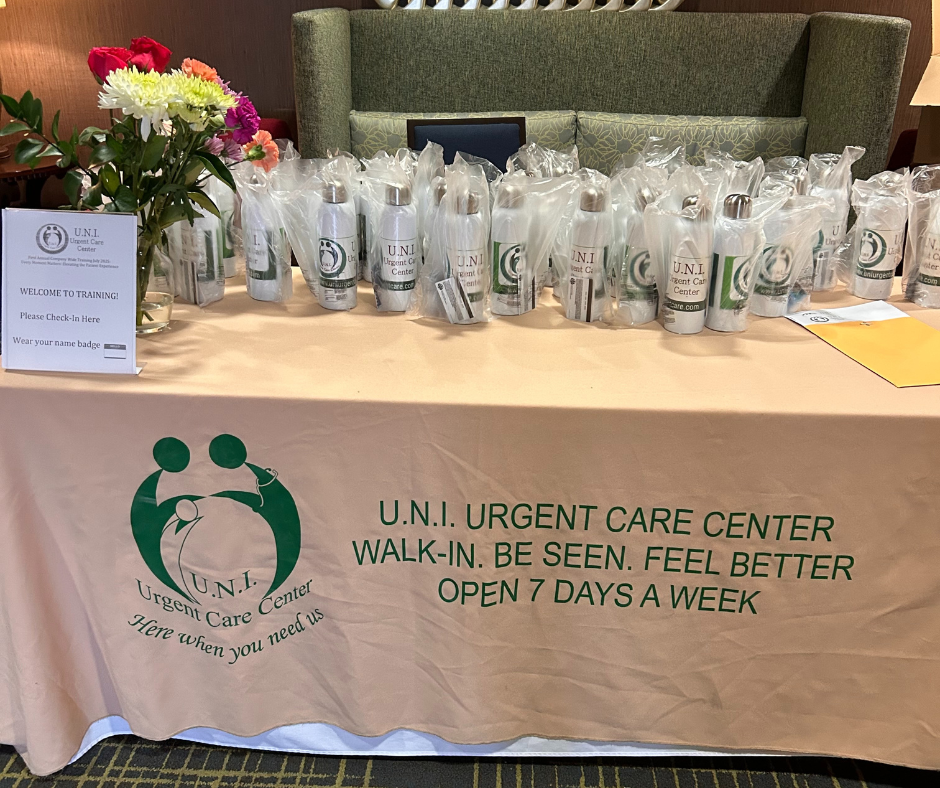
With clinics spread across Westminster, Frederick, Hagerstown, and Urbana, consistency is critical. Patients expect the same level of care at every UNI location. Training Day ensures that alignment.
By gathering staff from all locations, UNI creates a shared understanding of protocols, safety measures, and patient service standards. This prevents silos and reinforces a system-wide culture of excellence.
Whether you walk into UNI Urgent Care in Frederick or Westminster, the training behind the scenes ensures you’ll experience care that is efficient, accurate, and compassionate.
For patients and families across Maryland, the value of Training Day is simple: trust. When staff train together, patients receive care that is more reliable, more efficient, and more compassionate.
Employers who rely on UNI for occupational medicine services know their employees are in safe hands. Families who walk in for urgent care know the team is up to date on the latest protocols. And individuals who see UNI providers for primary care know they are supported by a system that values continuous growth.
This is what separates UNI from other clinics. Training Day isn’t optional. It’s an ongoing investment in people and in the communities they serve.
The story of Training Day is simple but powerful: preparation, participation, focused learning, recognition, and unity. These five elements, captured in photos from the event, highlight how UNI Urgent Care builds stronger teams to deliver better care.
Patients may never see the registration tables, packed training rooms, or giveaways firsthand, but they experience the results every time they visit. Faster service. Accurate diagnoses. Consistent care across locations. And trust in a healthcare team that takes learning as seriously as healing.
UNI Urgent Care is more than a walk-in clinic. It’s a healthcare partner built on continuous learning and a commitment to excellence. And Training Day is the foundation that makes it possible.
👉 Learn more or check in online today at uniurgentcare.com.
 Corporate Office Address: 826 Washington Road, Suite 110A, Westminster, MD 21157
 Phone: (410) 751-7480
 Hours: Monday–Friday: 8:30 AM – 6:00 PM
 Website: uniurgentcare.com
