
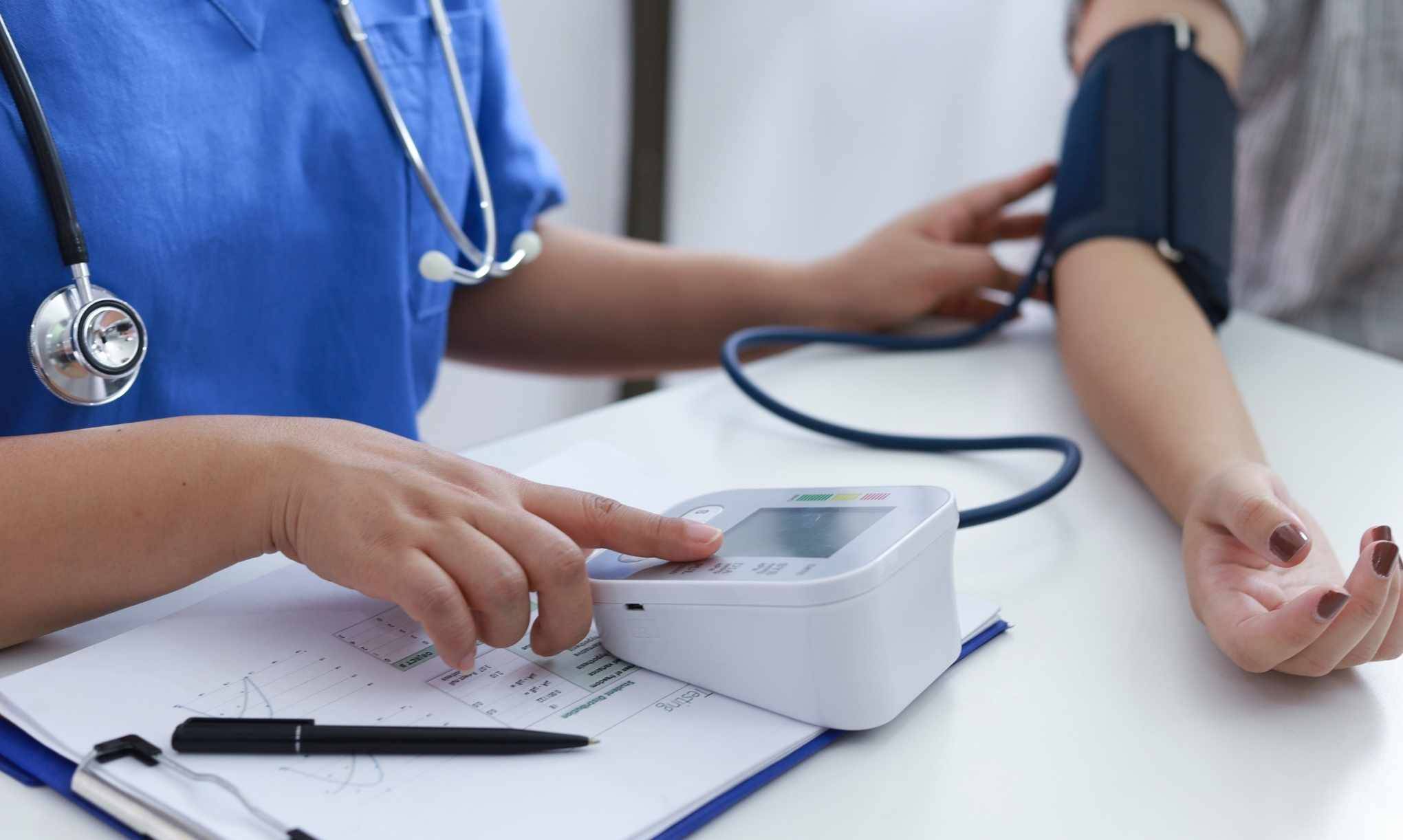
In today’s fast-paced world, many people prioritize work, family, and daily responsibilities over their own health. As a result, routine medical checkups are often delayed or ignored until symptoms become severe. However, routine health screenings play a critical role in maintaining long-term wellness by identifying potential health issues early, preventing disease progression, and promoting a proactive approach to healthcare.
Routine health screenings are not just for individuals who feel unwell. They are designed for people of all ages and health backgrounds, offering valuable insights into overall well-being. From blood pressure checks to cholesterol testing, diabetes screening, and preventive exams, these services empower individuals to make informed decisions about their health.
This blog explores why routine health screenings are essential for long-term wellness, the benefits they offer, common types of screenings, who should get screened, and how urgent care facilities like Uni Urgent Care make preventive healthcare accessible and convenient.
Routine health screenings are preventive medical evaluations performed to assess a person’s overall health and detect diseases before symptoms appear. These screenings may include physical examinations, laboratory tests, imaging, and health assessments based on age, gender, family history, and lifestyle factors.
The primary goal of routine screenings is early detection. Many serious conditions—such as heart disease, diabetes, high blood pressure, and certain cancers—can develop silently. By identifying warning signs early, healthcare providers can recommend lifestyle changes, treatments, or further diagnostic testing to reduce long-term health risks.
Routine health screenings are a cornerstone of preventive medicine and are recommended by healthcare professionals worldwide as a way to improve quality of life and longevity.
Catching Health Issues Before Symptoms Appear
One of the most significant advantages of routine health screenings is early detection. Many chronic illnesses progress slowly and may not cause noticeable symptoms until they reach an advanced stage. High blood pressure, high cholesterol, and type 2 diabetes are common examples of conditions that often go unnoticed.
Through regular screenings, healthcare providers can identify abnormalities early, when they are easier to manage or reverse. Early intervention often leads to better treatment outcomes, fewer complications, and lower healthcare costs over time.
Reducing the Risk of Serious Complications
When health conditions are detected early, patients have more options for treatment. Early-stage conditions often require less aggressive treatment and allow individuals to make lifestyle changes that can significantly improve outcomes. This proactive approach reduces the likelihood of hospitalization, surgery, or long-term medication use.
Supporting a Proactive Health Mindset
Routine health screenings encourage individuals to take an active role in their health. Instead of reacting to illness, preventive care focuses on maintaining wellness and minimizing risks. This mindset shift can lead to healthier habits, such as improved nutrition, regular exercise, stress management, and smoking cessation.
Building a Baseline for Future Health
Health screenings help establish a baseline for key health indicators, including blood pressure, blood sugar levels, cholesterol, and body mass index (BMI). These baseline measurements allow healthcare providers to track changes over time and identify trends that may indicate emerging health concerns.
Having accurate health records also helps providers make more personalized recommendations and ensures continuity of care.
Blood Pressure Screening
High blood pressure is a leading risk factor for heart disease and stroke. Regular blood pressure checks can identify hypertension early and help prevent serious cardiovascular complications.
Cholesterol Testing
Cholesterol screenings measure levels of LDL (bad cholesterol), HDL (good cholesterol), and triglycerides. Abnormal cholesterol levels can increase the risk of heart disease, making regular testing essential.
Diabetes Screening
Blood glucose testing helps detect prediabetes and diabetes early. Managing blood sugar levels through diet, exercise, and medication can prevent complications such as nerve damage, kidney disease, and vision problems.
Routine Physical Exams
Annual or periodic physical exams assess overall health, review medical history, and address any concerns. These exams provide an opportunity to discuss lifestyle habits and receive personalized health advice.
Immunizations and Preventive Services
Routine visits often include vaccination updates and preventive services that protect against infectious diseases and seasonal illnesses.
Adults of All Ages
Routine health screenings are important at every stage of adulthood. While younger adults may require fewer tests, early screenings establish healthy habits and detect hereditary or lifestyle-related risks.
Individuals with Family History of Illness
Those with a family history of chronic conditions such as heart disease, diabetes, or cancer may require more frequent or specialized screenings.
People with High-Risk Lifestyles
Individuals who smoke, consume excessive alcohol, have sedentary lifestyles, or experience high stress levels benefit greatly from routine screenings to monitor potential health impacts.
Urgent care centers have evolved beyond treating minor injuries and illnesses. Facilities like Uni Urgent Care now offer routine health screenings and preventive services designed to fit busy schedules.
Urgent care centers provide:
Convenient walk-in services
Extended hours, including evenings and weekends
Affordable healthcare options
Timely results and professional medical guidance
By offering routine health screenings, urgent care centers bridge the gap between primary care and emergency services, making preventive care more accessible to the community.
Uni Urgent Care is committed to providing high-quality, patient-centered health services. Their routine health screenings are designed to be efficient, accurate, and accessible.
Patients benefit from:
Experienced medical professionals
Modern diagnostic equipment
Personalized care recommendations
A comfortable and welcoming environment
Uni Urgent Care prioritizes preventive health, helping patients stay informed and proactive about their well-being.
Routine health screenings do more than detect illness—they actively contribute to a higher quality of life. When individuals understand their health status, they can make informed decisions that support physical, mental, and emotional well-being. Preventive care reduces uncertainty and anxiety about hidden health problems, offering reassurance and confidence in one’s overall condition.
Screenings also support longevity by minimizing the risk of sudden medical emergencies. Conditions such as heart disease, stroke, and metabolic disorders often develop over many years. Regular monitoring allows healthcare providers to identify small changes early and intervene before they become life-threatening.
For many patients, routine screenings act as a motivation to adopt healthier behaviors. Seeing measurable results—such as improved cholesterol levels or stabilized blood pressure—reinforces positive lifestyle choices and encourages continued commitment to wellness.
Chronic diseases are among the leading causes of disability and death worldwide. Many of these conditions are preventable or manageable when detected early. Routine health screenings play a crucial role in reducing the burden of chronic illness.
Heart Disease and Stroke Prevention
Screenings that monitor blood pressure, cholesterol, and blood sugar levels are essential for cardiovascular health. Early identification of risk factors allows patients to make changes that significantly lower the risk of heart attacks and strokes.
Diabetes Management and Prevention
Prediabetes often has no noticeable symptoms, yet it can progress to type 2 diabetes if left unmanaged. Routine blood glucose screenings help identify elevated levels early, allowing individuals to take corrective action through diet, exercise, and medical guidance.
Cancer Awareness and Early Detection
While not all cancers can be detected through routine urgent care screenings, regular health evaluations help identify warning signs and prompt referrals for further testing. Early detection greatly improves treatment success rates and survival outcomes.
Routine health screenings also support mental and emotional well-being. Stress, anxiety, and depression can have physical effects on the body, contributing to high blood pressure, weakened immunity, and chronic fatigue.
During routine visits, healthcare providers can assess stress levels, sleep patterns, and lifestyle factors that impact mental health. Early conversations about mental wellness can lead to timely referrals, coping strategies, and support resources.
A holistic approach to preventive care recognizes that mental and physical health are deeply connected. Addressing both through routine screenings supports long-term balance and resilience.
Young Adults
For young adults, routine health screenings focus on establishing healthy habits and identifying early risk factors. Blood pressure checks, basic lab work, and lifestyle assessments provide a foundation for lifelong wellness.
Middle-Aged Adults
As individuals enter middle age, routine screenings become increasingly important. Monitoring cholesterol, blood sugar, and weight helps prevent chronic diseases that commonly emerge during this stage of life.
Older Adults
For older adults, routine health screenings help manage existing conditions and prevent complications. Regular monitoring supports independence, mobility, and overall quality of life.
Despite their importance, many people delay or avoid routine health screenings due to time constraints, cost concerns, or fear of results. Understanding and addressing these barriers is essential for improving community health.
Time and Convenience
Busy schedules often make it difficult to book traditional doctor appointments. Urgent care centers like Uni Urgent Care offer flexible hours and walk-in services, making preventive care more accessible.
Cost and Affordability
Preventive screenings are often more affordable than treating advanced illnesses. Many urgent care centers provide transparent pricing and accept various insurance plans.
Fear and Uncertainty
Some individuals avoid screenings due to fear of bad news. However, early detection often leads to simpler treatments and better outcomes, offering peace of mind rather than anxiety.
Community-focused urgent care centers play a vital role in public health. By offering routine health screenings locally, they reduce the strain on hospitals and emergency departments while ensuring timely access to care.
Uni Urgent Care is dedicated to serving the Westminster, MD community with reliable, patient-centered health services. Their preventive care offerings support healthier individuals and a stronger, more informed community.
Investing in routine health screenings is one of the most effective ways to protect your health and well-being. Preventive care empowers individuals to stay informed, make healthier choices, and address potential concerns before they become serious.
Long-term wellness is not achieved through occasional medical visits during illness—it is built through consistent, proactive care. Routine screenings provide the knowledge and support needed to maintain health at every stage of life.
By choosing Uni Urgent Care for your routine health screenings, you are choosing convenience, quality, and a commitment to preventive health that supports a healthier future for you and your family.
1. How often should I get routine health screenings?
The frequency of screenings depends on age, health history, and risk factors. Many adults benefit from annual checkups, while others may need screenings more or less frequently based on medical advice.
2. Do I need symptoms to get a health screening?
No. Routine health screenings are designed for individuals who feel healthy. They help detect hidden health issues before symptoms develop.
3. Are routine health screenings expensive?
Many routine screenings are affordable, especially when compared to the cost of treating advanced illnesses. Urgent care centers often offer cost-effective options.
4. Can urgent care centers provide preventive services?
Yes. Many urgent care facilities, including Uni Urgent Care, offer routine health screenings and preventive care services.
5. What should I bring to my screening appointment?
Bring a valid ID, insurance information if applicable, and a list of current medications or known medical conditions.
Routine health screenings are a vital component of long-term wellness. By detecting health issues early, supporting preventive care, and encouraging proactive health management, screenings help individuals maintain better health and quality of life.
Ignoring routine checkups can allow silent conditions to progress unchecked, leading to more complex and costly treatments later. Making health screenings a regular part of your healthcare routine is an investment in your future well-being.
With accessible services and professional care, Uni Urgent Care makes it easier than ever to prioritize preventive health and stay on track toward a healthier life.
Take control of your health today. Don’t wait for symptoms to appear—schedule your routine health screening and gain peace of mind knowing you’re taking proactive steps toward long-term wellness.
📍 Corporate Office Address: 826 Washington Road, Suite 110A, Westminster, MD 21157
📞 Phone: (410) 751-7480
🌐 Website: https://uniurgentcare.com/
Visit Uni Urgent Care today to learn more about available health services and routine screenings designed to support your long-term health.
