
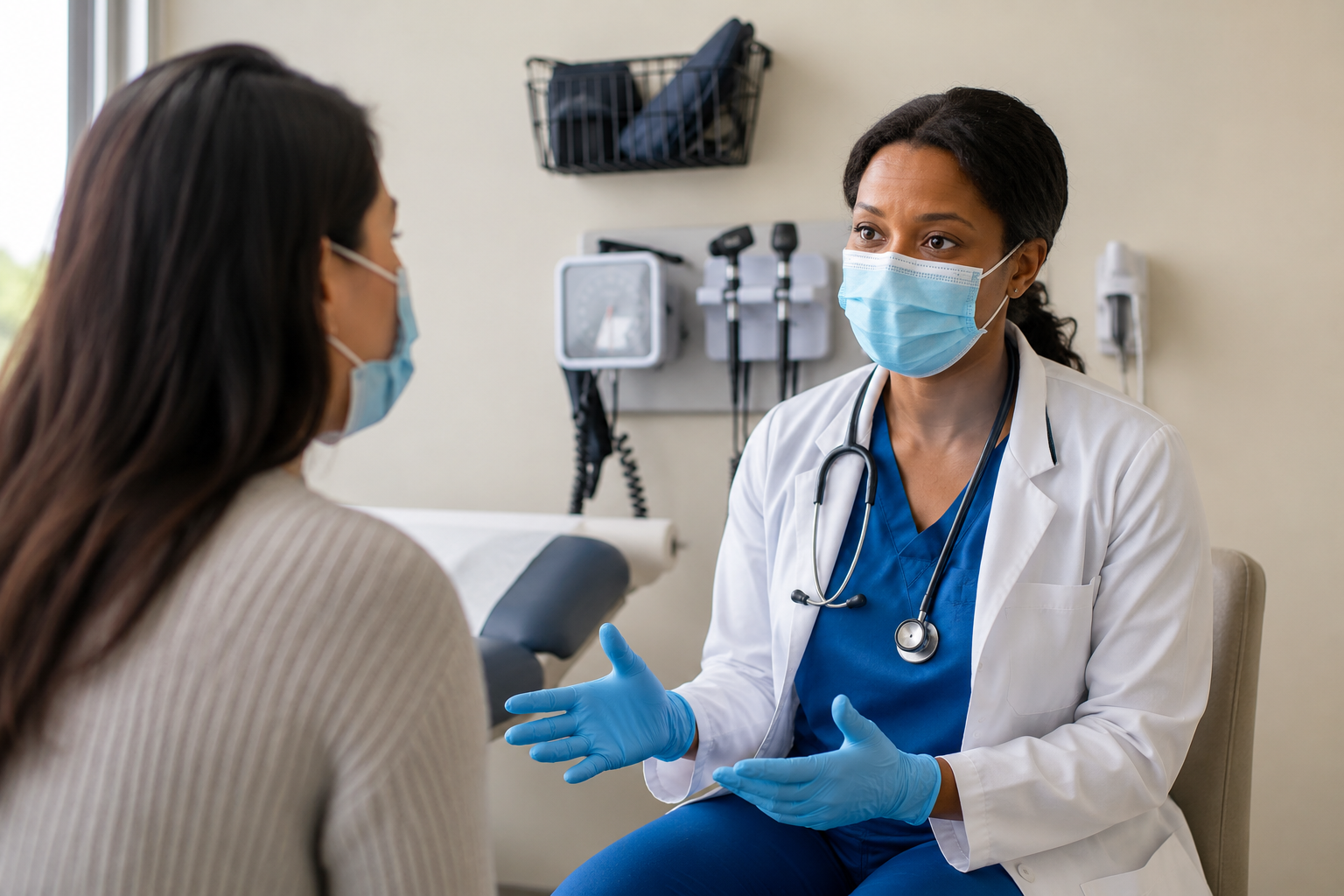
COVID-19 remains part of the respiratory illnesses we need to recognize, even though the way we manage it in 2026 is different from the early pandemic years. Symptoms can range from mild congestion and fatigue to serious breathing problems, and COVID-19 can look very similar to the flu, RSV, or another respiratory infection. As of August 21, 2026, national CDC data show that acute respiratory illness causing people to seek healthcare is very low, while COVID-19 activity is increasing nationally.
At UNI Urgent Care, our goal is to help patients understand when symptoms can be monitored at home, when testing makes sense, when early treatment matters, and when an illness needs prompt medical evaluation. Our urgent care centers provide convenient care for non-life-threatening illnesses, including COVID-19 testing, flu testing, respiratory symptoms, fever, coughs, and colds.
Understanding COVID-19 Symptoms in 2026
COVID-19 does not always look the same from one person to another. Some people develop several symptoms, while others experience only mild illness or no noticeable symptoms. Symptoms may also vary depending on the individual and the circulating virus.
Possible COVID-19 symptoms include:
-
Fever or chills
-
Cough
-
Sore throat
-
Runny or stuffy nose
-
Fatigue
-
Headache
-
Muscle or body aches
-
Shortness of breath
-
New loss of taste or smell
-
Nausea or vomiting
-
Diarrhea
The CDC notes that COVID-19 symptoms can range from mild to severe and may change as variants circulate. Symptoms can also overlap significantly with influenza and other respiratory infections, meaning symptoms alone cannot reliably tell you whether you have COVID-19.
That is why testing can be useful when symptoms develop, particularly when knowing the cause of an illness could affect treatment decisions or help protect vulnerable family members, coworkers, or other people around you.
When Should You Get Tested for COVID-19?
Testing is most useful when you have symptoms that could be caused by COVID-19, especially after a known exposure or when COVID-19 is circulating in your community. Testing can also be important if you are at increased risk for severe illness because an early positive result may allow you to discuss treatment options promptly.
Home antigen tests
At-home antigen tests offer a convenient way to check for COVID-19. A positive result generally means SARS-CoV-2 was detected and should be taken seriously. A negative antigen result, however, does not necessarily rule out infection, particularly when testing occurs early in the illness. The CDC recommends following current FDA recommendations for repeat testing after a negative antigen result.
If symptoms continue despite a negative test, consider additional testing or medical evaluation rather than automatically assuming COVID-19 has been ruled out.
PCR and other molecular testing
Molecular tests, including PCR and other nucleic acid amplification tests, can detect SARS-CoV-2 and may be useful when a more sensitive test is appropriate. Our website currently notes that UNI Urgent Care locations offer both rapid COVID-19 testing and PCR testing.
Testing can also help distinguish COVID-19 from other respiratory illnesses. Because flu and COVID-19 can produce many of the same symptoms, medical evaluation may include testing for more than one infection when appropriate.
When Should You Get Treated for COVID-19?
Not everyone with COVID-19 needs prescription treatment. Many people with mild illness recover with supportive care, rest, fluids, and symptom management. However, treatment decisions can be different for people who have risk factors for severe COVID-19.
Do not wait if you are at higher risk
Older adults and people with certain underlying health conditions may have a greater risk of developing severe COVID-19, as detailed by the Mayo Clinic. If you test positive and fall into a higher-risk category, contact a healthcare provider promptly rather than waiting several days to see whether symptoms become worse.
COVID-19 antiviral treatments are available for eligible patients, but they work best when started early. The CDC states that treatment for higher-risk patients should be initiated within a few days of symptom onset.
At UNI Urgent Care, our providers can evaluate your symptoms, review your medical history, determine whether additional testing is appropriate, and discuss treatment options when indicated.
Signs You Should Visit Urgent Care
Not every COVID-19 symptom requires an emergency room visit. However, symptoms that are persistent, worsening, or interfering significantly with daily activities deserve medical attention.
Consider urgent care for:
-
Persistent fever
-
Worsening cough
-
Significant sore throat
-
Increasing congestion accompanied by other concerning symptoms
-
Vomiting or diarrhea that makes hydration difficult
-
Symptoms that are not improving
-
Symptoms that improve and then become worse again
-
Concerns about dehydration
-
Breathing symptoms that need evaluation but are not an immediate emergency
-
A positive COVID-19 test when you may qualify for early treatment
-
COVID-19 symptoms when you have medical conditions that increase your risk of complications
The CDC also recommends medical evaluation for respiratory illness when symptoms are severe or concerning, including breathing difficulty, dehydration, persistent fever, symptoms lasting longer than expected, or symptoms that improve and then return or worsen.
Our urgent care services are designed for non-life-threatening illnesses and injuries, with onsite laboratory services and other diagnostic capabilities available at our Maryland locations.
When COVID-19 Requires Emergency Care
Urgent care and emergency care are not interchangeable. Some COVID-19 symptoms require immediate emergency medical attention.
Seek emergency help for:
-
Trouble breathing
-
Persistent chest pain or pressure
-
New confusion
-
Inability to wake or stay awake
-
Pale, gray, or blue-colored skin, lips, or nail beds, depending on skin tone
These are CDC emergency warning signs. If any of these occur, call 911 or go to the nearest emergency facility rather than waiting for an urgent care appointment.
If symptoms feel severe or rapidly worsen even when they are not specifically listed above, seek emergency medical care.
What Should You Do If You Test Positive?
A positive test means the virus was detected. The next step is not simply to continue your normal routine. Take steps to reduce the possibility of spreading the infection while monitoring how you feel.
Stay home while you are sick
Current CDC respiratory virus guidance recommends staying home and away from others while respiratory symptoms are present and not yet improving. You can return to normal activities once, for at least 24 hours, your symptoms are improving overall and you have been free of fever without using fever-reducing medication.
After returning to normal activities, the CDC recommends additional precautions for the next five days. These can include improving indoor air circulation, practicing good hygiene, wearing a well-fitting mask, maintaining distance from others, and using testing when appropriate.
This approach is different from the older fixed-duration isolation rules many people remember from earlier stages of the pandemic.
Ways to Reduce Your Risk of COVID-19
There is no way to guarantee that you will never encounter SARS-CoV-2, but several practical measures can reduce your risk of infection and transmission.
Practice everyday prevention
Wash your hands regularly, especially after being in public places or before eating. Cover coughs and sneezes, avoid close contact with people who are visibly ill, and improve ventilation when spending time indoors.
Cleaner indoor air can reduce exposure to respiratory particles, as supported by research from the Cleveland Clinic. When possible, open windows, use appropriate air filtration, or spend time outdoors rather than in crowded, poorly ventilated spaces.
Staying home when sick remains one of the most important ways to avoid passing a respiratory virus to others.
Keep vaccinations in mind
Vaccination remains one of the core strategies for reducing the risk of severe respiratory illness. Recommendations can change based on age, health status, and current public health guidance, so patients should discuss vaccination needs with a healthcare professional.
Our services also include flu and travel vaccinations. These preventive services can be particularly useful for patients preparing for travel or trying to stay current with recommended immunizations. UNI Urgent Care provides travel vaccine consultations and flu vaccination services as part of our broader preventive care offerings. Learn more about our preventive services on our services page.
COVID-19 and Travel
Travel can increase exposure to respiratory viruses because airports, airplanes, hotels, conferences, and other crowded environments bring people from different locations together.
Before traveling, especially internationally, consider whether you are up to date on recommended vaccinations and whether your destination has specific health requirements. Our Travel & Vaccination Services can help patients review travel-related vaccination needs and prepare before departure.
If you develop respiratory symptoms before a trip, testing can help you make a more informed decision about travel and protecting others.
COVID-19 Symptoms in Children and Adults
COVID-19 can affect people of different ages differently. Children may experience mild respiratory or gastrointestinal symptoms, while adults can experience anything from mild congestion to significant fatigue and breathing problems.
A rare but serious complication called multisystem inflammatory syndrome can occur after COVID-19. The CDC advises contacting a healthcare provider promptly when ongoing fever occurs along with symptoms such as abdominal pain, bloodshot eyes, diarrhea, dizziness, rash, or vomiting.
Any child or adult with severe symptoms should receive appropriate medical care rather than relying solely on an at-home COVID-19 test.
How UNI Urgent Care Can Help
When respiratory symptoms develop, knowing where to go for care can make the process easier. Our team evaluates patients individually, provides testing when appropriate, and helps determine whether symptoms can be managed with supportive care or require additional treatment.
Our Maryland urgent care centers provide care for COVID-19 symptoms, flu, coughs and colds, fever, RSV testing, asthma, sore throats, and other common illnesses. We also provide rapid flu testing, onsite laboratory testing, and other urgent care services.
We have multiple Maryland locations, including centers in Westminster, Hagerstown, and Frederick, making convenient care available across the communities we serve.
Frequently Asked Questions
How do I know if my symptoms are COVID-19 or the flu?
You cannot reliably distinguish COVID-19 from influenza based only on symptoms. Both can cause fever, cough, fatigue, headache, body aches, and other respiratory symptoms. Testing may be needed to identify the infection.
Can I have COVID-19 with mild symptoms?
Yes. COVID-19 can cause mild illness, and some people may have few or no noticeable symptoms. However, mild symptoms can still allow the virus to spread to others.
What if my home COVID-19 test is negative?
A negative antigen test does not always rule out infection. If you have symptoms, follow current repeat-testing recommendations and consider medical evaluation if symptoms continue or worsen.
When should I seek treatment after testing positive?
If you have risk factors for severe COVID-19, contact a healthcare provider as soon as possible. Antiviral treatment is time-sensitive and works best when started early.
How long should I stay home after getting COVID-19?
Current CDC guidance focuses on how you are feeling rather than a universal fixed isolation period. Stay home while symptoms are not improving. Return to normal activities after symptoms have improved overall for at least 24 hours and you have been fever-free without fever-reducing medication, followed by additional precautions for five days.
Should I go to urgent care or the emergency room?
Urgent care is appropriate for many non-life-threatening illnesses and worsening symptoms that need evaluation. Emergency care is necessary for warning signs such as severe trouble breathing, persistent chest pain or pressure, new confusion, or inability to stay awake.
Conclusion
COVID-19 is still something we need to take seriously in 2026, particularly when symptoms develop in people who are at increased risk for severe illness. Recognizing symptoms, testing appropriately, staying home while sick, and seeking early treatment when eligible can make a meaningful difference.
At UNI Urgent Care, our team is here to evaluate respiratory symptoms, provide COVID-19 and other testing services, discuss treatment options, and help patients determine the appropriate level of care. We also provide preventive services such as flu and travel vaccinations to help patients protect their health throughout the year. For more health tips and updates, read our latest articles on our blog.
If you develop COVID-19 symptoms that are worsening, persistent, or concerning, do not ignore them. Our urgent care team can help you determine your next step.
If you are experiencing COVID-19 symptoms, need COVID-19 testing, or want to discuss treatment options, visit UNI Urgent Care for prompt medical evaluation. Our convenient Maryland locations provide walk-in urgent care services for many non-life-threatening illnesses and injuries.
For preventive care, our Travel & Vaccination Services can also help you stay current with recommended flu and travel vaccines before your next trip.
UNI Urgent Care
📍 Corporate Office Address: 826 Washington Road, Suite 110A, Westminster, MD 21157
📞 Phone: (410) 751-7480
🌐 Website: uniurgentcare.com
Our goal is simple: provide the right care, right when you need it, while helping you understand what your symptoms may mean and what steps to take next. Feel free to Contact Us if you have any questions or require further assistance.
