
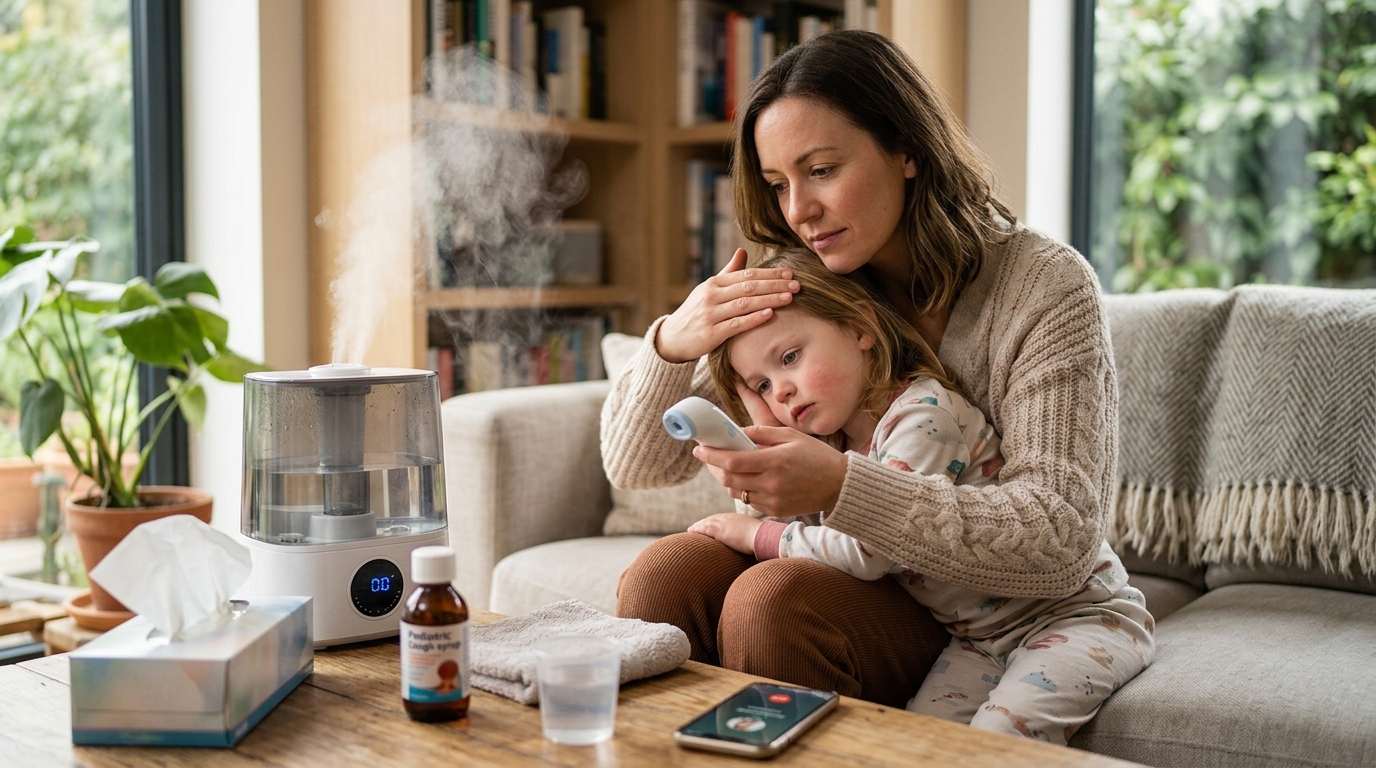
Respiratory syncytial virus, commonly called RSV, is a widespread respiratory virus that can affect people of every age. For many healthy adults and children, RSV causes symptoms similar to a common cold and improves with supportive care. However, RSV can sometimes lead to more serious respiratory illness, particularly in infants, older adults, and people with certain health conditions.
Knowing the common RSV symptoms, understanding when RSV testing may be helpful, and recognizing warning signs can make it easier to decide when to manage symptoms at home and when to seek medical care.
At UNI Urgent Care Centers, we evaluate a wide range of respiratory symptoms and offer rapid RSV testing among our available services. If you or a family member develops symptoms that could be caused by RSV, our team can help evaluate your condition and determine appropriate next steps.
What Is RSV?
RSV stands for respiratory syncytial virus. It is a common virus that infects the respiratory tract, including the nose, throat, and lungs. RSV commonly causes cold-like illness, but the infection can occasionally become more serious.
RSV symptoms generally develop about four to six days after infection. Symptoms may appear gradually rather than all at once. Common symptoms include a runny nose, nasal congestion, decreased appetite, coughing, sneezing, fever, and wheezing.
RSV can spread easily, especially when people are in close contact with one another. Respiratory viruses can move through coughs and sneezes and through contact with contaminated surfaces followed by touching the eyes, nose, or mouth.
Common RSV Symptoms
The symptoms of RSV can vary from person to person. Common RSV signs include:
-
Runny or stuffy nose
-
Nasal congestion
-
Cough
-
Sneezing
-
Fever
-
Decreased appetite
-
Wheezing
-
Fatigue or decreased activity
Not everyone develops every symptom. Some people may have a mild infection, while others can develop more significant respiratory symptoms.
Because RSV symptoms overlap with other respiratory illnesses, symptoms alone may not tell you exactly which virus is causing an infection. Testing can sometimes provide useful information when the result may affect evaluation, treatment, infection-control decisions, or care planning.
RSV Symptoms in Infants and Children
RSV can be particularly concerning in infants and young children. In very young infants, the symptoms may be less obvious than the typical cough and congestion associated with respiratory infections.
A baby with RSV may show:
-
Irritability
-
Decreased activity
-
Reduced appetite or difficulty feeding
-
Breathing difficulties
-
Cough
-
Congestion
-
Wheezing
Very young infants may sometimes experience pauses in breathing, known as apnea.
Parents and caregivers should pay close attention to breathing, hydration, feeding, and activity levels. A child who is struggling to breathe, is not drinking enough fluids, or whose symptoms are getting worse should be evaluated promptly.
RSV Symptoms in Adults
In adults, RSV often resembles a typical upper respiratory infection. RSV symptoms in adults may include a runny nose, sore throat, cough, headache, fatigue, and fever. Many adults recover within one to two weeks.
However, RSV should not automatically be considered harmless in adults. Older adults and adults with certain underlying conditions can be at greater risk of severe illness.
RSV may worsen existing respiratory or cardiovascular conditions, including asthma, chronic obstructive pulmonary disease (COPD), and heart failure.
Adults who are older, immunocompromised, frail, or living in nursing facilities may also have a higher risk of complications.
RSV in Older Adults
Older adults deserve particular attention when respiratory symptoms develop. Although RSV can be mild, the risk of severe illness increases with age and certain underlying medical conditions.
Adults at higher risk include those who are 75 or older, adults with chronic heart or lung disease, people with weakened immune systems, and people with certain other medical conditions.
In some cases, RSV can contribute to pneumonia or worsen an existing medical condition. This is one reason it is important not to ignore significant or worsening respiratory symptoms in an older adult.
RSV vs. a Common Cold
One of the challenges with RSV is that its symptoms can look very similar to those of a common cold.
Both RSV and a cold can cause:
-
Runny nose
-
Congestion
-
Sneezing
-
Cough
-
Mild fever
-
Fatigue
There is no reliable way to identify RSV based only on symptoms. RSV symptoms are nonspecific and can overlap with other viral and even some bacterial infections.
Testing may therefore be appropriate when knowing whether RSV is present could help guide medical evaluation or decisions about care.
RSV vs. Flu and COVID-19
RSV, influenza, and COVID-19 are different respiratory infections, but they can cause overlapping symptoms.
Flu commonly causes fever, cough, fatigue, and body aches and can make a person feel suddenly very ill. COVID-19 can also cause cough, fever, fatigue, sore throat, congestion, and other respiratory symptoms.
RSV can produce many of the same symptoms, making it difficult to determine the cause based on symptoms alone.
Testing may be especially valuable when a person is at increased risk for complications or when identifying the infection could influence treatment decisions. For example, antiviral medications may be available for certain people with influenza or COVID-19, and those treatments work best when started early.
How Does RSV Spread?
RSV spreads through respiratory secretions and close contact with an infected person. Coughing and sneezing can release infectious particles, while touching contaminated surfaces and then touching the face can also contribute to transmission.
Because RSV can spread readily among family members and in settings where people are in close contact, prevention remains important.
Helpful steps include washing hands regularly, avoiding close contact with people who are sick when possible, cleaning frequently touched surfaces, and staying home when you are ill.
When Should You Consider RSV Testing?
Not every person with mild cold symptoms necessarily needs an RSV test. However, RSV testing may be appropriate when symptoms are significant, worsening, or difficult to distinguish from other respiratory illnesses.
Testing may be particularly useful when:
-
An infant or young child develops concerning respiratory symptoms.
-
An older adult develops significant respiratory symptoms.
-
Someone at higher risk for severe illness becomes sick.
-
Symptoms are worsening rather than improving.
-
A healthcare professional needs additional information to evaluate respiratory illness.
-
Knowing the cause of symptoms could help guide care decisions.
Several types of RSV tests are available. Molecular tests, including PCR-based tests, are highly sensitive, while antigen tests can provide results more quickly but are generally less sensitive.
At UNI Urgent Care, we specifically offer rapid RSV testing as part of our respiratory illness services.
Who Is at Higher Risk for Severe RSV?
Most RSV infections are mild, but certain people have a higher risk of severe disease.
Higher-risk groups can include:
-
Infants and very young children
-
Older adults
-
People with chronic heart or lung conditions
-
People with weakened immune systems
-
People with certain underlying medical conditions
-
Frail adults
-
People living in nursing homes
RSV can also worsen asthma, COPD, or heart failure.
If you or someone in your household falls into a higher-risk category, contacting a healthcare professional early when significant symptoms develop can be especially important.
RSV Warning Signs: When to Seek Medical Attention
Most RSV infections can be managed without hospitalization, but certain symptoms require prompt medical attention.
Seek medical care if you or your child develops:
-
Difficulty breathing
-
Rapid or labored breathing
-
Trouble drinking or maintaining hydration
-
Worsening symptoms
-
Significant weakness or decreased activity
-
Chest pain or pressure
-
Sudden dizziness or confusion
For infants, difficulty feeding, unusual sleepiness, irritability, breathing problems, or pauses in breathing should receive prompt attention.
If someone is having severe difficulty breathing, showing signs of a medical emergency, or rapidly deteriorating, call 911 or seek emergency medical care rather than waiting for an urgent care visit.
When Should You Visit Urgent Care for RSV Symptoms?
Urgent care can be a useful option when respiratory symptoms require evaluation but do not appear to constitute a life-threatening emergency.
Consider visiting urgent care when you have persistent or worsening cough, fever, congestion, wheezing, sore throat, or other respiratory symptoms and want professional evaluation.
Our team at UNI Urgent Care can evaluate your symptoms and determine whether testing or additional care may be appropriate. We offer rapid RSV testing, rapid flu testing, COVID-19 testing, and other services for respiratory illnesses.
Because symptoms from RSV, influenza, COVID-19, and other illnesses can overlap, an evaluation can help provide a clearer picture of what may be causing your symptoms.
How UNI’s Rapid RSV Testing Can Help
At UNI Urgent Care Centers, we understand that respiratory symptoms can be uncomfortable and concerning, particularly when children, older adults, or higher-risk individuals are involved.
Our services include rapid RSV testing, allowing our healthcare team to evaluate RSV as a possible cause of respiratory symptoms. We also provide rapid flu testing and COVID-19 testing.
Our urgent care centers see patients of all age groups, and we accept walk-ins for most services.
Testing is only one part of an evaluation. Our team can consider your symptoms, medical history, physical findings, and other factors when determining the most appropriate next steps.
Frequently Asked Questions About RSV
What are the most common RSV symptoms?
Common RSV symptoms include runny nose, congestion, coughing, sneezing, fever, decreased appetite, and wheezing. Symptoms may develop gradually and vary from person to person.
How long does RSV usually last?
Many people recover from RSV within one to two weeks. Some individuals, particularly those at higher risk, may develop more serious illness or complications.
Can adults get RSV?
Yes. RSV can affect adults of all ages. Healthy adults often experience mild, cold-like symptoms, while older adults and people with certain health conditions have a greater risk of severe illness.
Can children get RSV?
Yes. RSV commonly affects children. Infants and very young children can be at greater risk of severe respiratory illness, so caregivers should monitor breathing, feeding, hydration, and activity levels closely.
Does everyone with RSV need an RSV test?
No. Testing is not necessarily required for every mild respiratory infection. A healthcare professional can help determine whether testing is appropriate based on symptoms, age, risk factors, and other circumstances.
Does UNI offer rapid RSV testing?
Yes. UNI Urgent Care lists rapid RSV testing among its available services, along with rapid flu and COVID-19 testing.
When should RSV symptoms be treated as an emergency?
Difficulty breathing, chest pain or pressure, confusion, significant dehydration, or rapidly worsening symptoms require prompt medical attention. For severe or life-threatening symptoms, call 911 or go to the nearest emergency department.
Conclusion
RSV is a common respiratory virus that can cause anything from mild cold-like symptoms to serious respiratory illness. Understanding RSV symptoms in adults, RSV symptoms in children, and the warning signs of severe illness can help you make informed decisions about when to monitor symptoms at home and when to seek medical care.
Because RSV can look similar to a common cold, flu, or COVID-19, testing may sometimes be helpful. At UNI Urgent Care Centers, our team offers rapid RSV testing along with rapid flu and COVID-19 testing to help evaluate respiratory illnesses. U
If you or your child develops concerning respiratory symptoms, do not ignore worsening signs. Our team is here to help evaluate your symptoms and guide you toward appropriate care.
If you are experiencing cough, congestion, fever, wheezing, or other respiratory symptoms and are concerned about RSV, contact us or visit us to discuss your symptoms and ask about rapid RSV testing.
UNI Urgent Care Centers / MyPrimaryCare
📍 Corporate Office: 826 Washington Road, Suite 110A, Westminster, MD 21157
📞 Phone: (410) 751-7480
🌐 Website: uniurgentcare.com
Our team is ready to help you and your family receive convenient evaluation for respiratory symptoms when you need care.
