
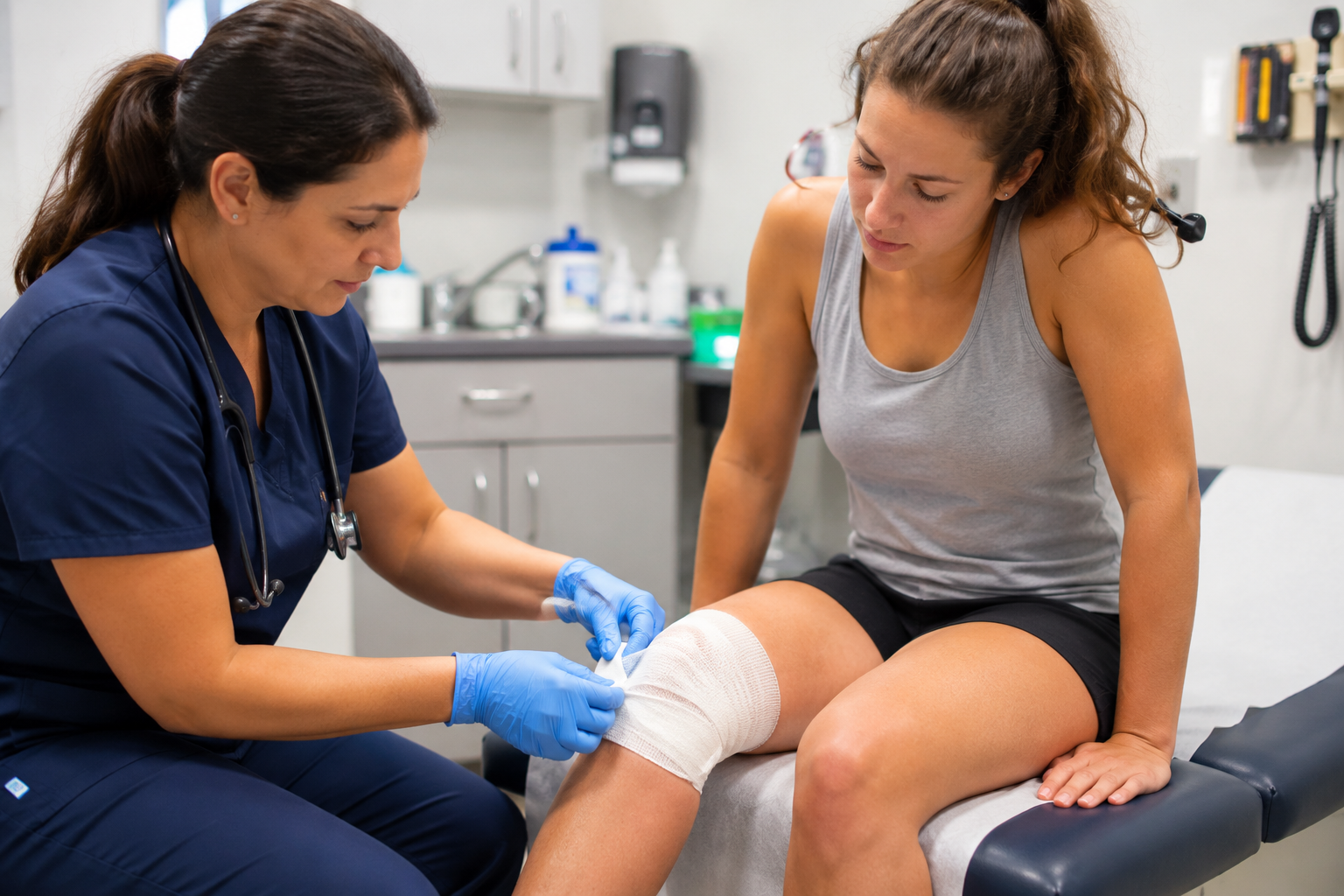
Summer is a season filled with vacations, backyard barbecues, youth sports, hiking trips, pool days, and countless opportunities to enjoy the outdoors. While it’s one of the most enjoyable times of the year, it’s also one of the busiest seasons for urgent care. Increased outdoor activity, higher temperatures, seasonal allergies, and travel all contribute to a rise in illnesses and injuries that require prompt medical attention.
At UNI Urgent Care, our team is committed to helping patients feel better quickly with convenient walk-in medical care seven days a week. Whether you’re dealing with an unexpected illness, a sports injury, a painful sunburn, or dehydration after spending too much time in the heat, our experienced medical providers are here to deliver fast, compassionate care. With on-site X-rays, laboratory testing, IV hydration, physical exams, and treatment for a wide range of non-life-threatening conditions, we make it easy to receive quality healthcare without the long waits often associated with emergency rooms.
In this guide, we’ll explore the most common summer illnesses and injuries we treat, when urgent care is the right choice, and how our services help you return to enjoying the season as quickly as possible.
Why Summer Brings More Urgent Care Visits
Summer changes our routines. Children are out of school, families travel more frequently, people spend extended periods outdoors, and recreational activities increase dramatically. While these experiences create wonderful memories, they also expose us to additional health risks.
Some of the biggest reasons we see more patients during summer include:
-
Heat exposure
-
Outdoor sports injuries
-
Insect bites and stings
-
Water-related accidents
-
Foodborne illnesses
-
Seasonal allergies
-
Cuts and lacerations
-
Minor fractures and sprains
-
Skin infections
-
Sunburn
Fortunately, many of these conditions can be evaluated and treated quickly in our urgent care centers without requiring an expensive emergency room visit. Our goal is to provide efficient, affordable care whenever unexpected health concerns arise.
Heat Exhaustion and Dehydration
One of the most common summer-related conditions we treat is dehydration.
Hot weather increases sweating, which causes the body to lose fluids and electrolytes much faster than normal. If these fluids aren’t replaced, dehydration can develop quickly.
Common symptoms include:
-
Excessive thirst
-
Dry mouth
-
Fatigue
-
Dizziness
-
Headache
-
Muscle cramps
-
Dark-colored urine
-
Rapid heartbeat
Children, older adults, athletes, and outdoor workers are particularly vulnerable.
When dehydration becomes heat exhaustion
Heat exhaustion develops when the body struggles to regulate its temperature after prolonged exposure to heat.
Symptoms may include:
-
Heavy sweating
-
Weakness
-
Nausea
-
Vomiting
-
Lightheadedness
-
Cool, clammy skin
-
Muscle cramps
Our providers evaluate each patient carefully to determine the severity of dehydration. Mild cases may only require oral rehydration and rest, while more significant dehydration may benefit from our IV hydration services, allowing fluids and electrolytes to be replaced quickly. According to the Mayo Clinic, staying ahead of fluid loss before you feel thirsty is essential for preventing these heat-related illnesses.
When is it an emergency?
If someone becomes confused, loses consciousness, experiences seizures, or develops a body temperature above 104°F, immediate emergency medical care is necessary, as these may be signs of heat stroke.
Painful Sunburns
Despite sunscreen recommendations, many people still spend too much time in direct sunlight.
While mild sunburns often improve at home, more severe burns can require medical evaluation.
Our team frequently treats patients experiencing:
-
Extensive blistering
-
Severe skin pain
-
Swelling
-
Fever
-
Chills
-
Signs of dehydration
-
Secondary skin infections
We evaluate the extent of skin damage and recommend treatments that may include wound care, pain management, hydration, and infection prevention.
We also educate patients about preventing future sunburn through proper sunscreen application, protective clothing, and avoiding prolonged midday sun exposure.
Insect Bites and Stings
Summer means spending more time outdoors, which also means increased exposure to insects.
While many bites cause only mild itching, others may become painful or infected.
We commonly evaluate:
Bee and wasp stings
Most cause temporary redness and swelling.
However, some individuals experience:
-
Extensive swelling
-
Severe pain
-
Allergic reactions
If you develop difficulty breathing, swelling of the face or throat, or severe hives, call 911 immediately.
Mosquito bites
Mosquito bites often produce itchy bumps that resolve on their own, but scratching may lead to skin infections.
Tick bites
Ticks deserve special attention because they may transmit illnesses depending on geographic location.
If you’ve recently removed a tick or develop symptoms after a bite, our providers can evaluate whether additional testing or treatment is appropriate.
Spider bites
Although many spider bites are harmless, some require medical evaluation due to increasing redness, pain, swelling, or tissue damage.
Poison Ivy, Poison Oak, and Poison Sumac
Outdoor adventures often expose people to irritating plants that cause allergic skin reactions.
Symptoms usually include:
-
Intense itching
-
Redness
-
Blistering
-
Swelling
-
Rash that spreads after contact
The discomfort can interfere with sleep, work, and everyday activities.
Our providers evaluate the severity of the rash and recommend treatments that may include prescription medications, topical therapies, and guidance for preventing future exposure.
Early treatment often helps shorten recovery time while reducing discomfort.
Seasonal Allergies
Summer allergies affect millions of people.
Grass pollen, mold spores, and environmental allergens frequently trigger symptoms that interfere with daily life.
Common allergy symptoms include:
-
Sneezing
-
Runny nose
-
Nasal congestion
-
Itchy eyes
-
Watery eyes
-
Sinus pressure
-
Cough
Sometimes allergies contribute to secondary sinus infections or ear infections.
Our providers distinguish between allergies, viral illnesses, and bacterial infections to recommend the most appropriate treatment.
Swimmer’s Ear
Pools, lakes, rivers, and beaches are popular summer destinations.
Unfortunately, moisture trapped inside the ear canal creates an ideal environment for bacterial growth.
Swimmer’s ear commonly causes:
-
Ear pain
-
Itching
-
Redness
-
Drainage
-
Temporary hearing changes
Prompt treatment helps relieve pain while preventing the infection from worsening.
Our medical providers examine the ear, confirm the diagnosis, and recommend medications when appropriate.
Summer Colds and Respiratory Illnesses
Many people assume respiratory illnesses only occur during winter.
In reality, viruses circulate year-round.
Even during summer, we frequently evaluate patients experiencing:
-
Sore throat
-
Cough
-
Fever
-
Nasal congestion
-
Fatigue
-
Body aches
Our clinics offer rapid diagnostic testing for illnesses such as influenza and strep throat when medically appropriate, allowing our providers to determine the best course of treatment quickly. We also provide on-site laboratory testing to support timely diagnosis and care.
Food Poisoning
Outdoor picnics, family reunions, festivals, and cookouts create more opportunities for improperly stored food.
Food poisoning often develops within hours after consuming contaminated food.
Common symptoms include:
-
Nausea
-
Vomiting
-
Diarrhea
-
Abdominal cramps
-
Fever
-
Weakness
One of the biggest concerns is dehydration, especially for young children and older adults.
Our providers evaluate your symptoms, recommend appropriate treatment, and determine whether IV hydration is necessary to help restore fluids more quickly.
Minor Cuts and Lacerations
Summer activities naturally increase the risk of cuts and scrapes.
Broken glass, sharp tools, playground equipment, bicycles, fishing hooks, and outdoor sports frequently result in wounds that need medical attention.
At UNI Urgent Care, our team provides prompt evaluation and treatment for lacerations, including sutures, medical glue, or staples when appropriate. Proper wound care helps reduce infection risk while promoting optimal healing. We also evaluate whether tetanus protection or additional treatment may be needed based on the nature of the injury.
Sprains, Strains, and Minor Fractures
Summer encourages people of all ages to stay active. Whether you’re hiking, biking, playing basketball, joining a recreational softball league, or simply chasing your kids around the backyard, accidents can happen in an instant. Twisted ankles, wrist injuries, pulled muscles, and falls are among the most common reasons patients visit our urgent care centers during the warmer months.
Signs that you may have a sprain, strain, or minor fracture include:
-
Pain that worsens with movement
-
Swelling around the injured area
-
Bruising
-
Difficulty bearing weight
-
Limited range of motion
-
Tenderness when touched
Our providers perform a thorough evaluation to determine the extent of the injury. Because we offer on-site X-ray services, we can often diagnose fractures quickly without sending you to another location. Once we identify the injury, we’ll recommend the appropriate treatment, which may include splinting, bracing, pain management, or referral to an orthopedic specialist if necessary. Our goal is to help you recover safely and return to your normal activities as soon as possible.
Skin Infections and Rashes
Warm temperatures, increased sweating, and outdoor activities can create the perfect environment for bacteria and fungi to grow. Small cuts, insect bites, or poison ivy rashes may become infected if bacteria enter the skin.
Our team commonly treats:
-
Cellulitis
-
Infected insect bites
-
Minor abscesses
-
Fungal skin infections
-
Heat rash
-
Contact dermatitis
Prompt treatment is important because skin infections can spread if left untreated. We evaluate the affected area, determine the underlying cause, and prescribe medications or perform minor procedures when appropriate. Early care often helps reduce discomfort and prevent complications.
Why Choose Urgent Care Instead of the Emergency Room?
Not every illness or injury requires an emergency room visit. In fact, many common summer health concerns can be treated efficiently in an urgent care setting.
Our urgent care centers are an excellent choice for non-life-threatening conditions such as:
-
Minor fractures
-
Sprains and strains
-
Cuts requiring stitches
-
Mild to moderate dehydration
-
Ear infections
-
Allergic reactions without difficulty breathing
-
Food poisoning
-
Minor burns
-
Skin rashes
-
Insect bites
-
Seasonal illnesses
Choosing urgent care often means shorter wait times, lower costs, and convenient walk-in availability. Our experienced providers are equipped to diagnose and treat a wide range of medical conditions using on-site diagnostic services, allowing us to deliver timely care without the lengthy delays that patients sometimes experience in emergency departments.
However, if you or a loved one experiences chest pain, severe difficulty breathing, uncontrolled bleeding, stroke symptoms, loss of consciousness, or other life-threatening emergencies, call 911 or go directly to the nearest emergency room.
Tips for Staying Healthy This Summer
While we are always here when you need us, preventing illness and injury is even better. A few simple precautions can help you enjoy a safer summer.
Here are some helpful tips:
-
Drink plenty of water throughout the day, especially during outdoor activities.
-
Wear sunscreen with an appropriate SPF and reapply it regularly.
-
Take breaks in the shade during periods of extreme heat.
-
Wear protective equipment while biking or participating in sports.
-
Store and cook food at safe temperatures to reduce the risk of foodborne illness.
-
Use insect repellent when spending time outdoors.
-
Check your body for ticks after hiking or spending time in wooded areas.
-
Wear shoes around pools, playgrounds, and outdoor areas to help prevent cuts and injuries.
-
Wash cuts and scrapes promptly to reduce the risk of infection.
By following these simple safety measures, you can reduce your chances of needing medical care while making the most of everything summer has to offer. Learn more about the treatments available by exploring our services page or stay up-to-date with summer wellness tips on our blog.
Frequently Asked Questions
Can I walk into UNI Urgent Care without an appointment?
Yes. We welcome walk-in patients and strive to provide prompt medical care for non-life-threatening illnesses and injuries.
Do you provide X-rays for suspected fractures?
Yes. Our centers offer on-site X-ray services, allowing our providers to evaluate many bone and joint injuries quickly.
Can urgent care treat dehydration?
Absolutely. We evaluate dehydration based on your symptoms and overall condition. Mild cases may only require oral hydration, while more significant dehydration may benefit from IV fluid therapy.
Should I visit urgent care for a severe sunburn?
Yes. If your sunburn causes significant blistering, severe pain, fever, dehydration, or signs of infection, our providers can evaluate your condition and recommend appropriate treatment.
Can you treat cuts that need stitches?
Yes. Our team treats many lacerations and provides wound care, stitches, medical glue, or staples when appropriate to help your injury heal properly.
Conclusion
Summer should be a time for making memories—not worrying about unexpected illnesses or injuries. Whether you’re enjoying family vacations, outdoor adventures, youth sports, or relaxing weekends, health concerns can arise when you least expect them. The good news is that many of the season’s most common medical issues can be diagnosed and treated quickly without the need for an emergency room visit.
At UNI Urgent Care, our experienced providers are committed to delivering compassionate, efficient, and high-quality care for patients of all ages. From dehydration and sunburns to fractures, cuts, infections, allergies, and seasonal illnesses, our comprehensive urgent care services are designed to help you feel better as quickly as possible.
If you or a loved one experiences a non-life-threatening illness or injury this summer, don’t wait to receive the care you need. Our dedicated team is here to provide convenient walk-in medical services, on-site diagnostics, and personalized treatment to help you recover and get back to enjoying your summer.
UNI Urgent Care
📍 Corporate Office Address: 826 Washington Road, Suite 110A, Westminster, MD 21157
📞 Phone: (410) 751-7480
🌐 Website: uniurgentcare.com
